Alinari
- lavora con noi
- contatti
- login
- itaeng
The Alinari Photographic Commissions. The "Patronato" collection
Thanks to a Dicolab research grant and the collaboration of the University of Pisa, a project has been carried out to research, digitise and promote the “Patronato” collection: the manuscript documents have been made accessible, and the workings, methods and outcomes of Alinari’s commissioned photographic work have been investigated.
The research focuses on a substantial collection of negatives which, although they have appeared in numerous publications, have never been systematically studied in terms of their production processes. The aim is to restore an autonomous and coherent identity to this material.
The Alinari Archives Patronato collection
The Alinari Archives Patronato Collection comprises photographs taken on external commission, offering a direct visual record of Italian social and economic history at the turn of the 19th and 20th centuries.
The collection comprises 28,120 negatives, of which 11,177 are on glass; in addition to the photographic material, it is accompanied by two essential handwritten registers documenting the commissions.
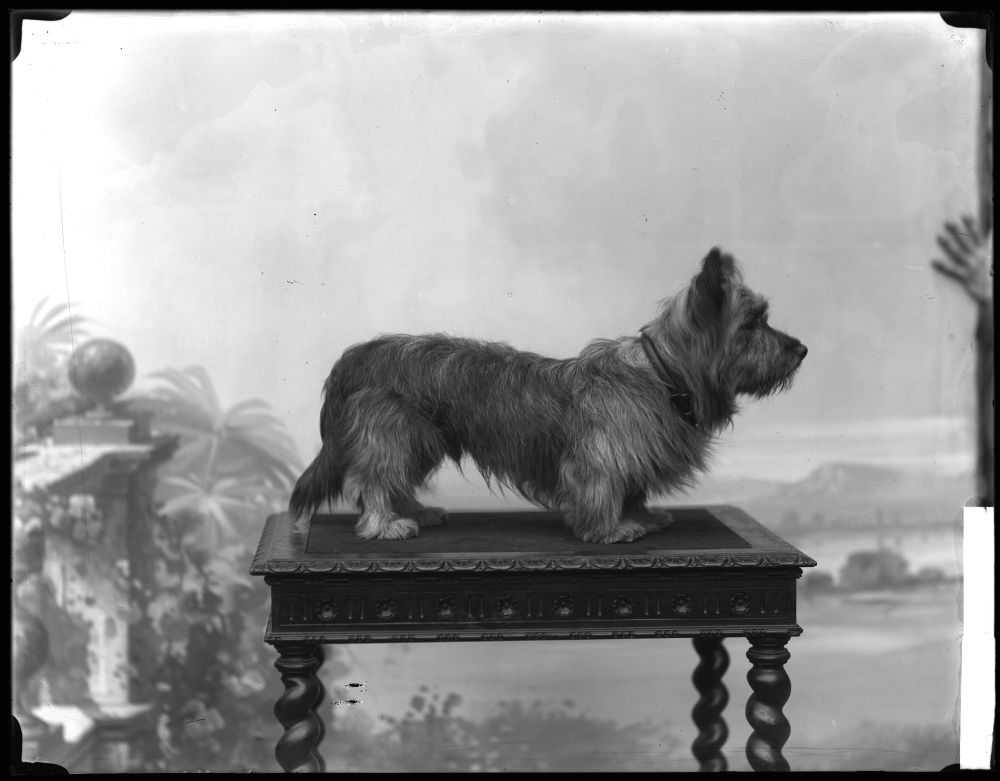
In terms of quality, the Patronato collection is an extraordinarily rich and varied source: it contains photographs of the local area, images of industries and schools, interiors of homes, as well as personal objects such as paintings, sculptures and documents. This variety is no coincidence; each image is a trace of deeper processes of identity and culture, of which the collection offers a valuable insight.
Structure and organisation of the Patronato’s records
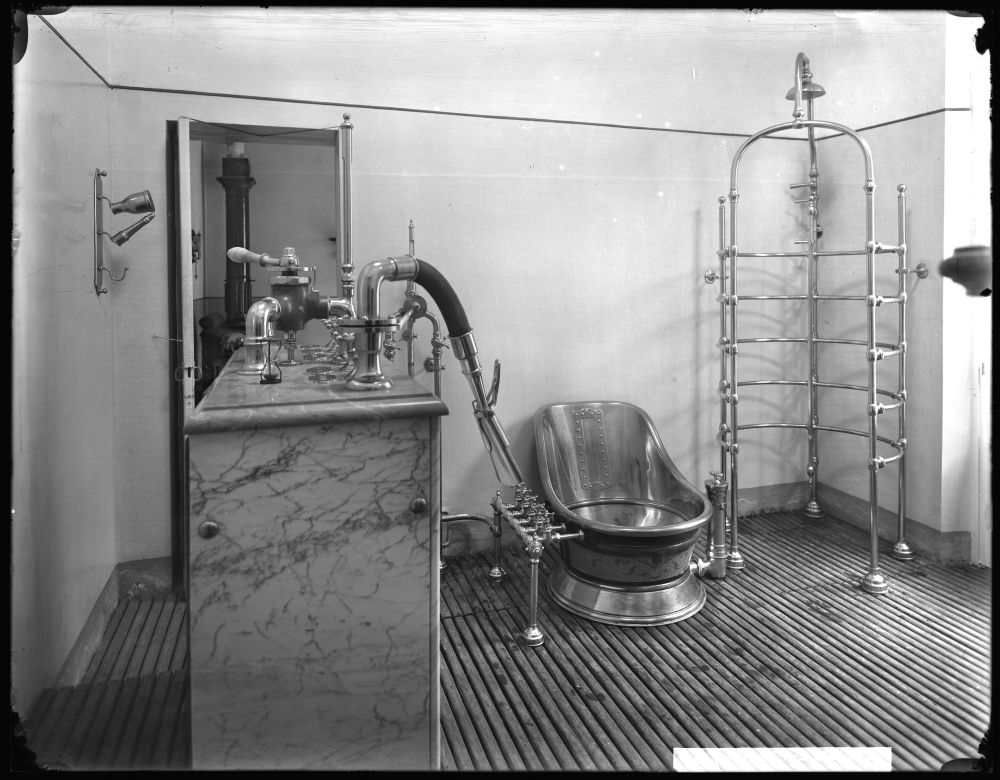
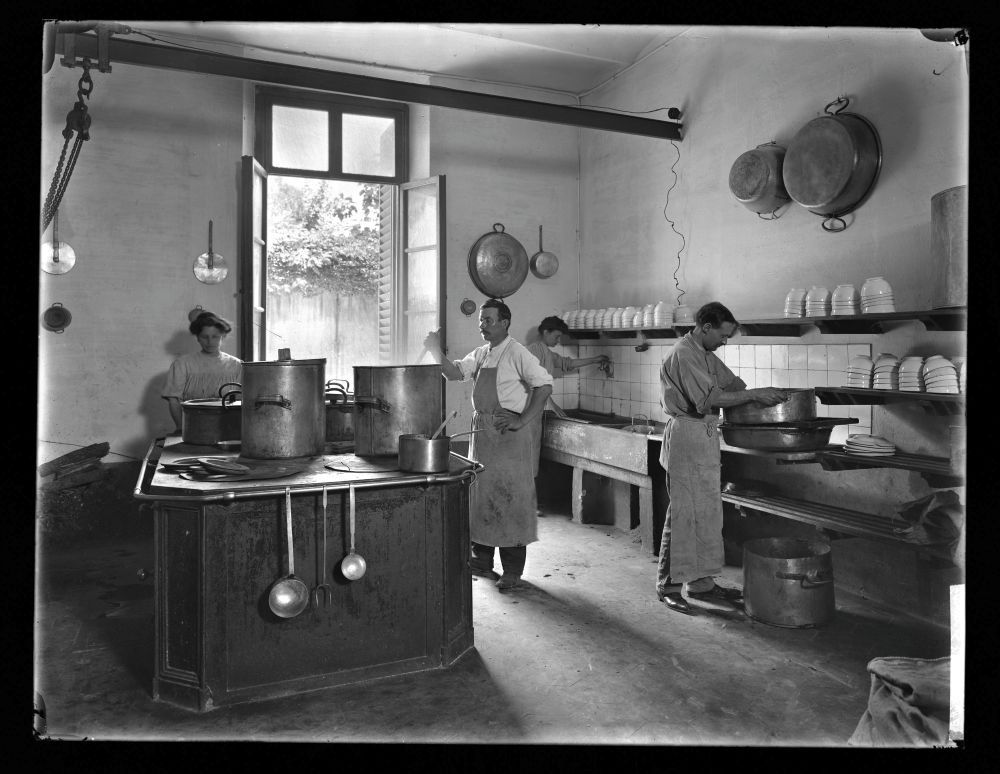
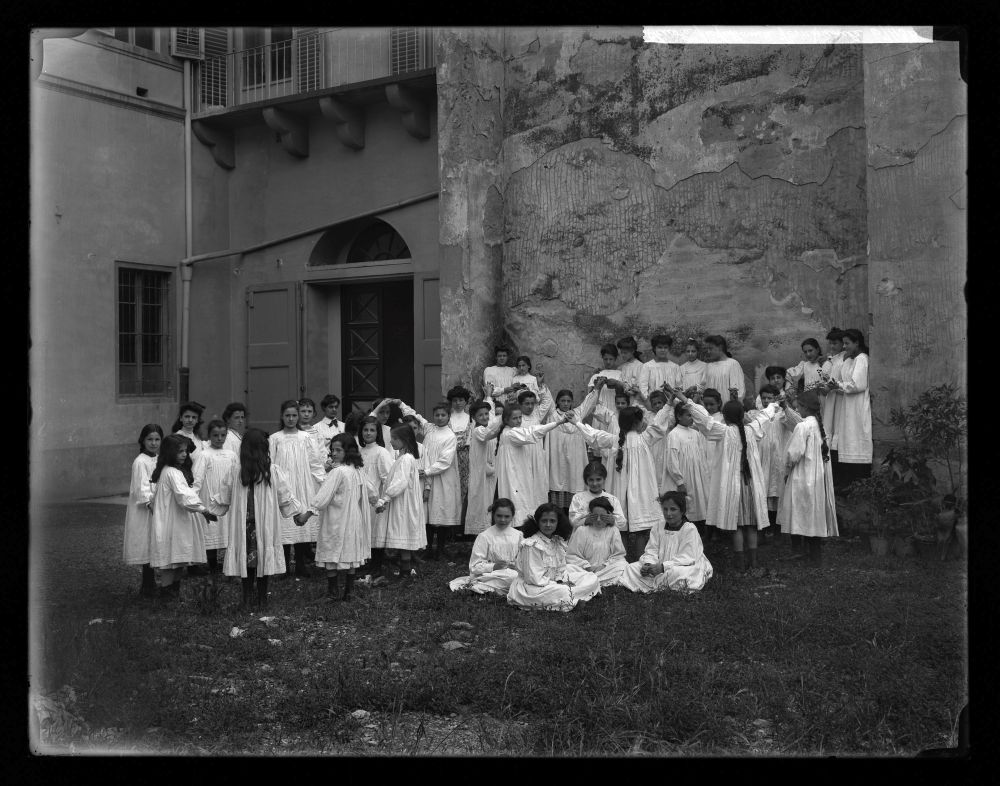
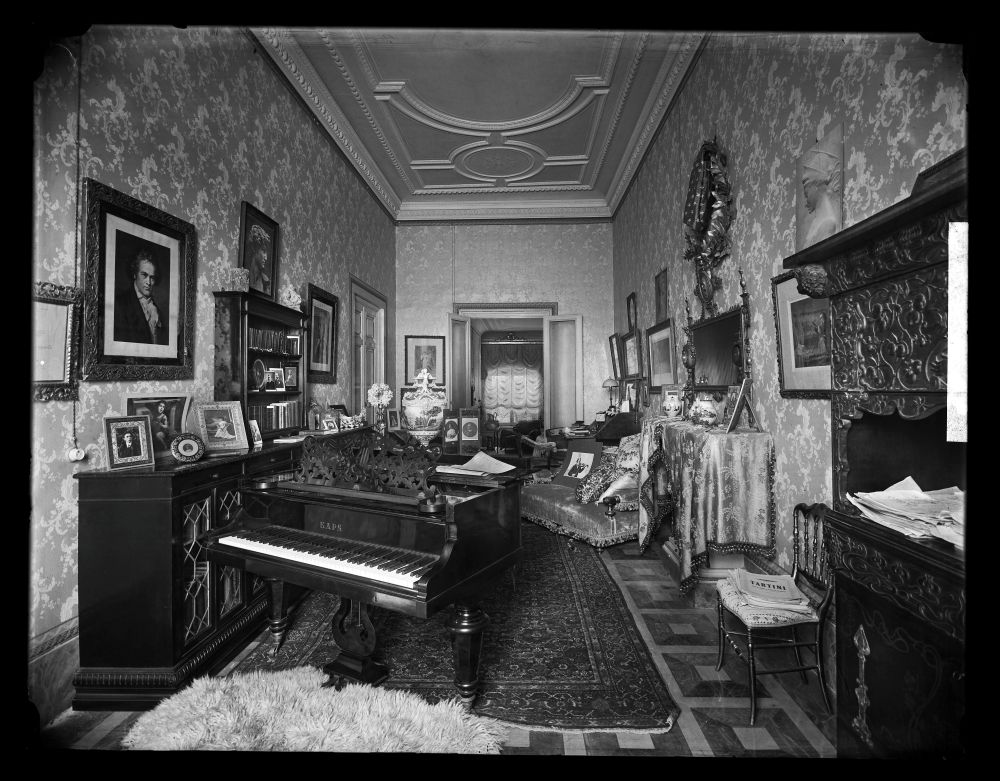
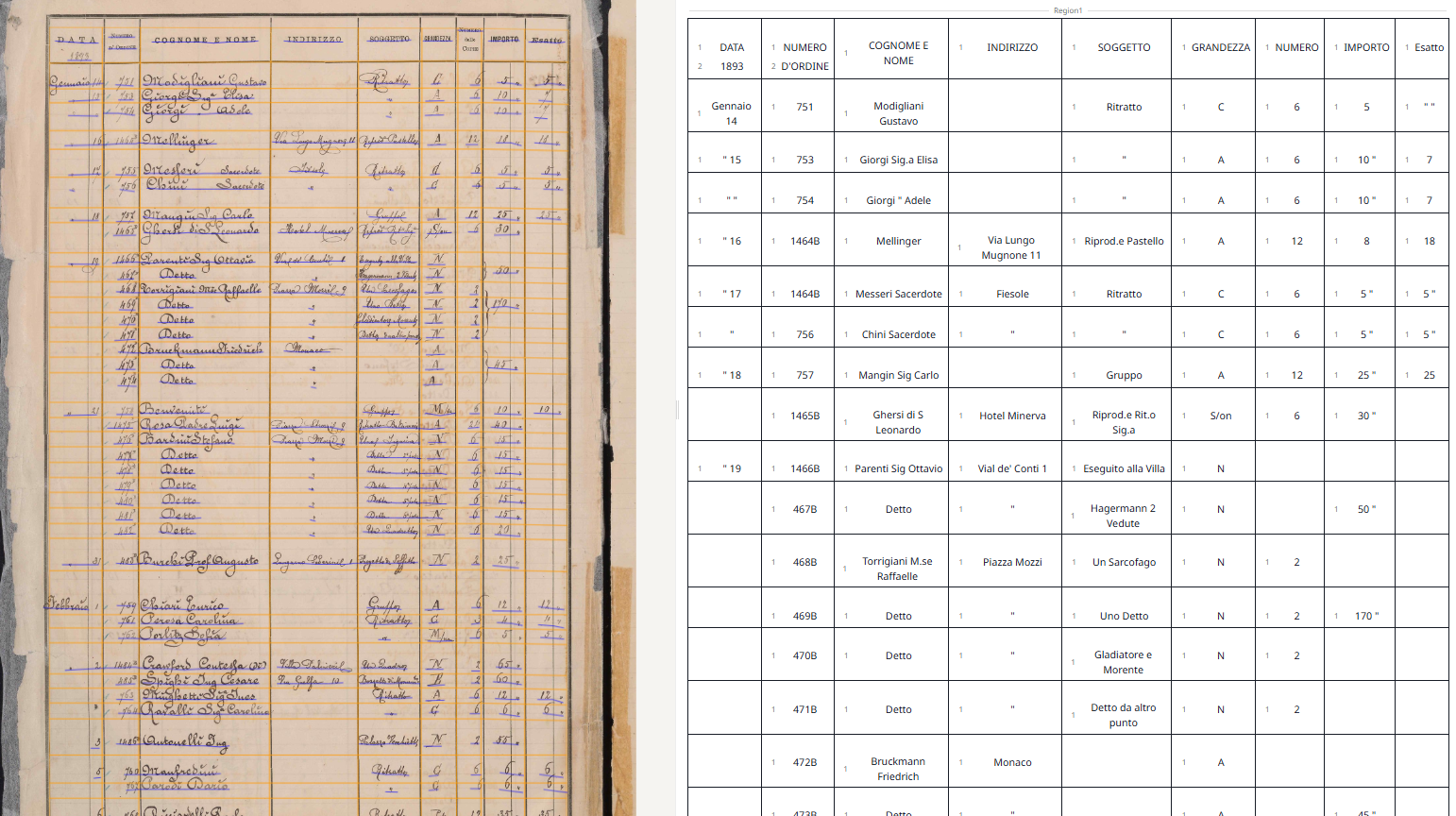
To keep track of the production of negatives and prints, from 1893 onwards the Fratelli Alinari company kept two registers: the “Numerical and alphabetical register of private commissions from 1 January 1893 to 1 April 2019” and the “Numerical Register of Private Commissions from January 1893 to April 2019”.
In terms of the company’s organisation, it is worth noting that in 1890 Vittorio Alinari took over the management; after reorganising and renumbering the negative plates, he had evidently recognised the need for a register to record production carried out on commission. In this case, these are not cash books or financial statements, but inventories documenting the progressive photographic output in relation to the clients who commissioned it.
The need to organise the work reflects a certain desire to make the plate archive more efficient, where it had evidently become difficult to find one’s way round given the quantity and varying sizes of the negatives: both registers begin to record production from 1 January 1893.
Both manuscripts contain two distinct numbering systems that run in parallel and in ascending order: one relating to portraits, which refers to their respective registers and which have now been incorporated into the Portraits collection, and the other relating to all other types of work.
Given the diverse nature of the material and the very long period covered, the registers prove to be an extremely important source of information: the Numerical Register records not only the inventory number and the name of the client, but also the address, the subject photographed, the number of copies requested, the print format, the amount due and the amount received.
However, although the documentation was initially produced in a fairly precise and consistent manner, from the 1920s onwards the care and attention paid to the records became very scant. Gradually, over the following decades, the information provided became increasingly approximate and lacking in detail; updates to the Numerical Register ceased at the end of the Second World War. In terms of content, although the registers document inventory numbers up to 2019, it is important to bear in mind that not all the photographs in this collection correspond to commissioned projects: much of the more recent material, particularly from the 1970s onwards, was produced independently by the company and recorded here.
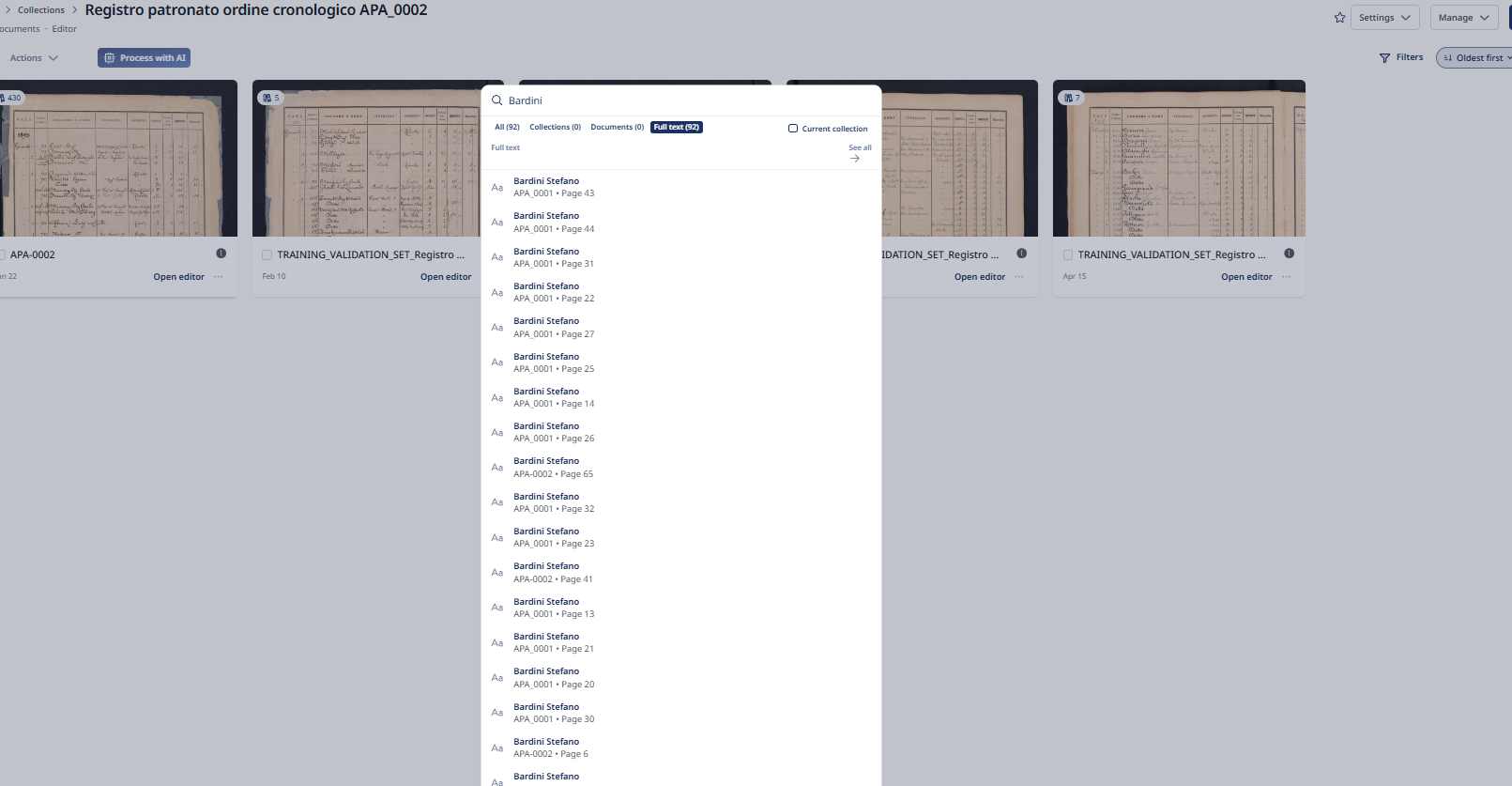
To make the registers more accessible, a transcription was carried out using HTR technology (Handwritten Text Recognition) up to the year 1920, via the Transkribus platform: this artificial intelligence-based software enables the automatic transcription of handwritten and printed texts. By training customised models on different handwriting styles and time periods, a digital transcription has been produced that enables names and keywords to be searched for quickly and easily.
Between registers and negatives: critical issues and methodology
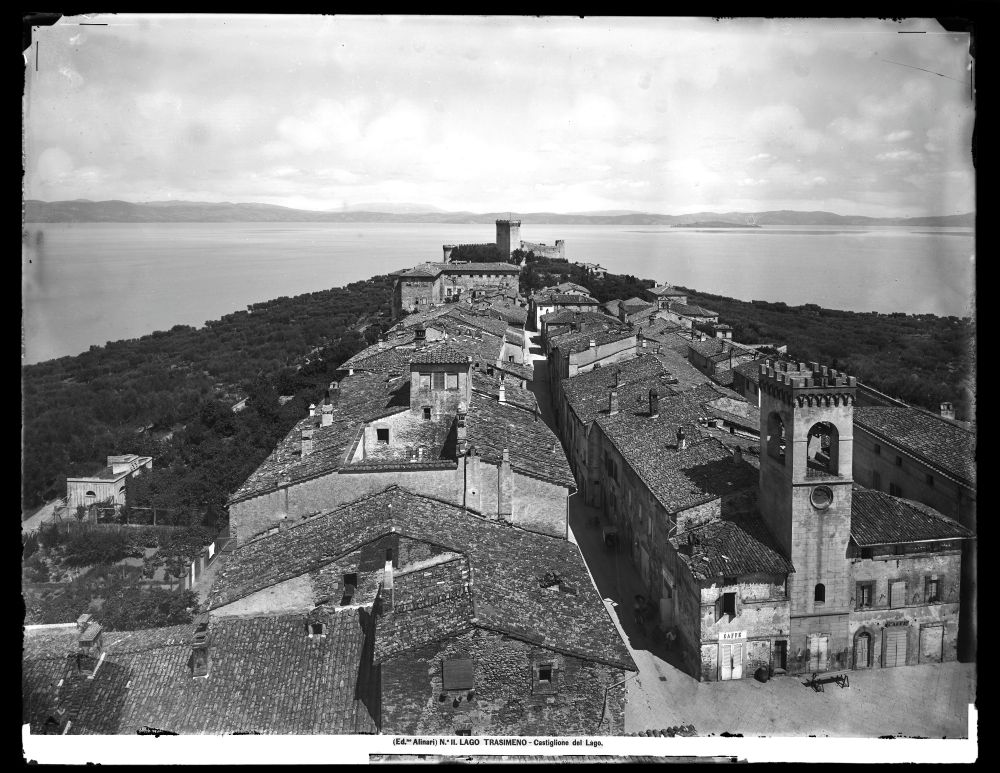
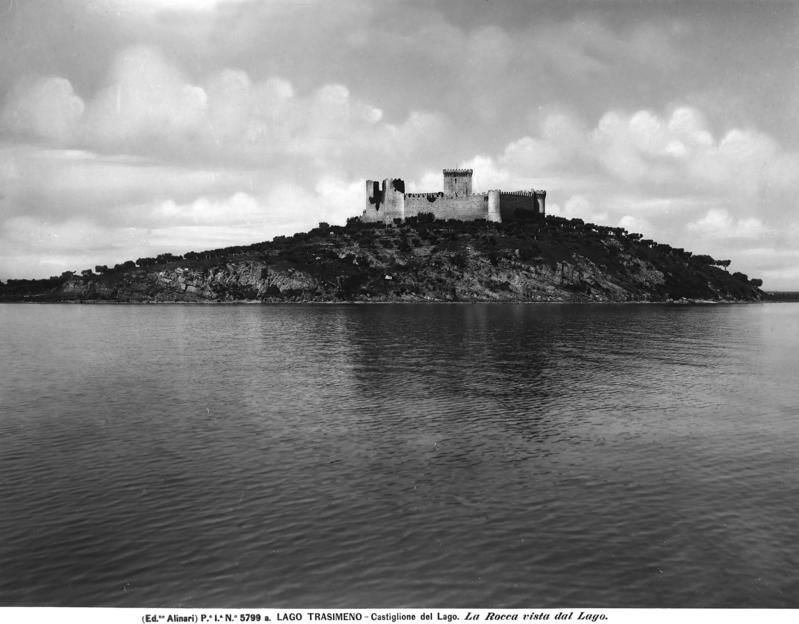
In order to reconstruct the ways in which clients commissioned the Fratelli Alinari company to produce photographic documentation of their business or property, it was necessary to carry out a bibliographical review and archival research on a sample of the documentation, given the length of the list of names in the registers.
However, it should be noted that not every inventory number corresponds directly to a negative: indeed, these may be incorrectly or incompletely numbered, or even missing altogether; they may have been sold to the client along with the prints, or they may have been moved from the Patronato section to the Commerce section. This latter change of location is sometimes recorded in writing in the registers, but the entries are not always kept up to date.
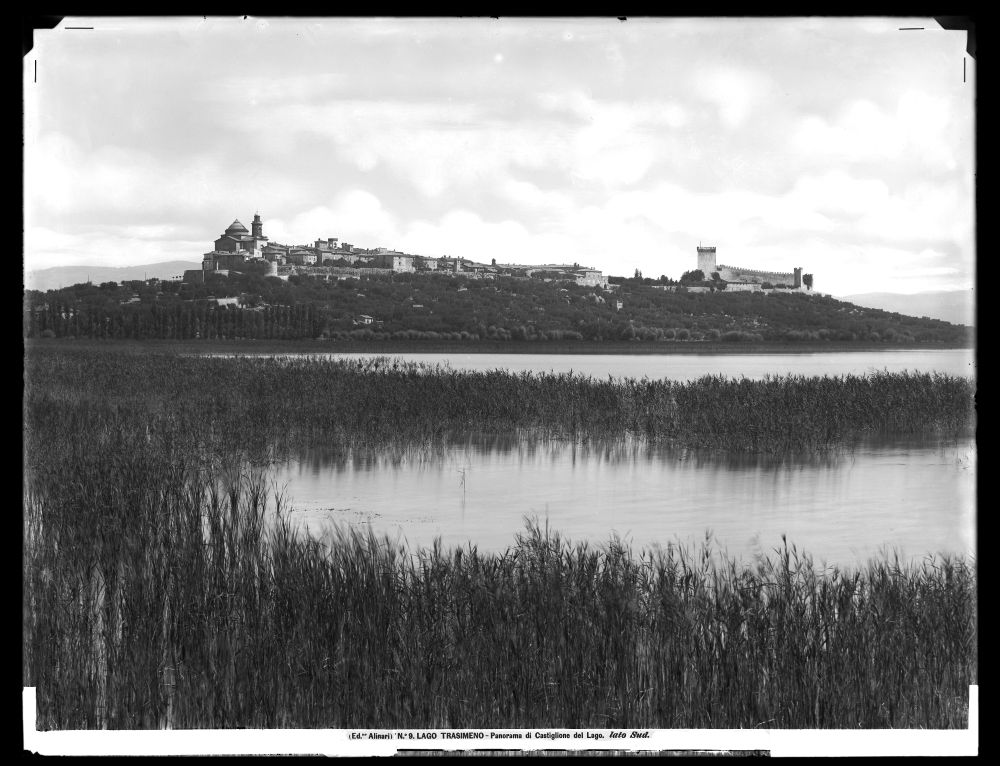
One example is the commission carried out by the Consorzio di Bonifica del Lago Trasimeno in 1896: a photographic campaign comprising 88 shots, of which only 17 survive in the Patronato collection. By directly comparing the negatives held in the Commerce section – at the time, the section dedicated to the sale of photographic prints – with an album preserved in the historical archive of the Municipality of Magione (PG), it has been possible to identify the individual plates from which the prints were produced and subsequently sold; in this case, these prints appeared in printed catalogues from 1898 to 1929.
The practice of reusing negatives – originally produced for commissioned work – appears to have been quite common and helps us understand the extent to which this collection of photographs could have served as a potential source from which to draw in order to refresh the visual content of the printed catalogues.
Purpose of the committees – case studies
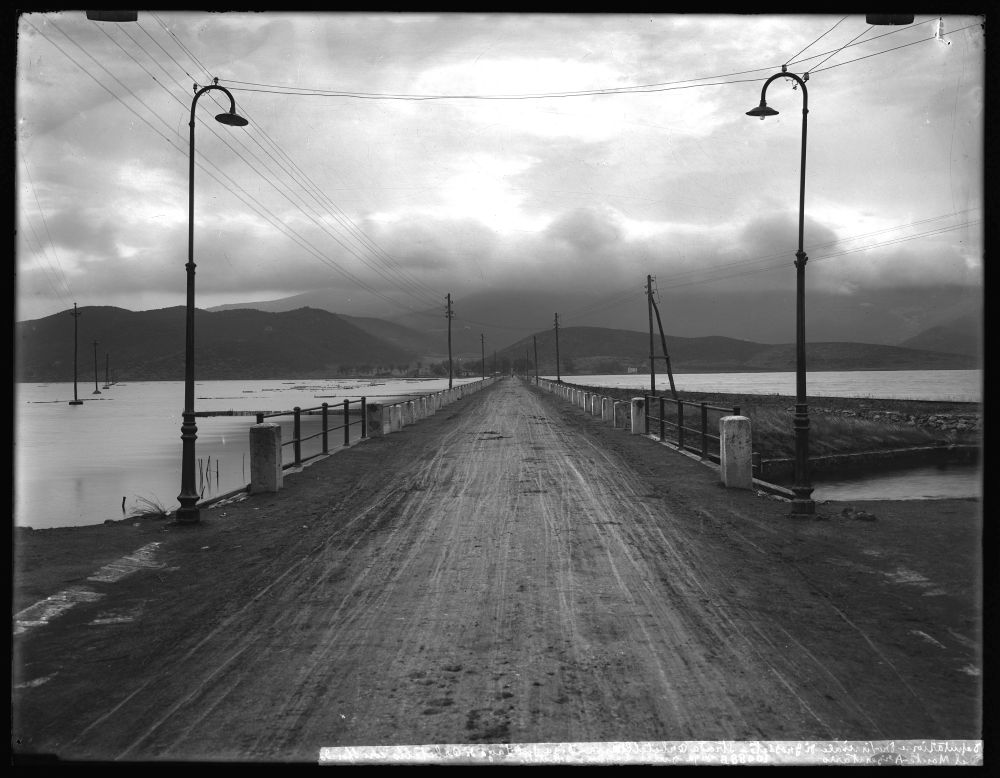
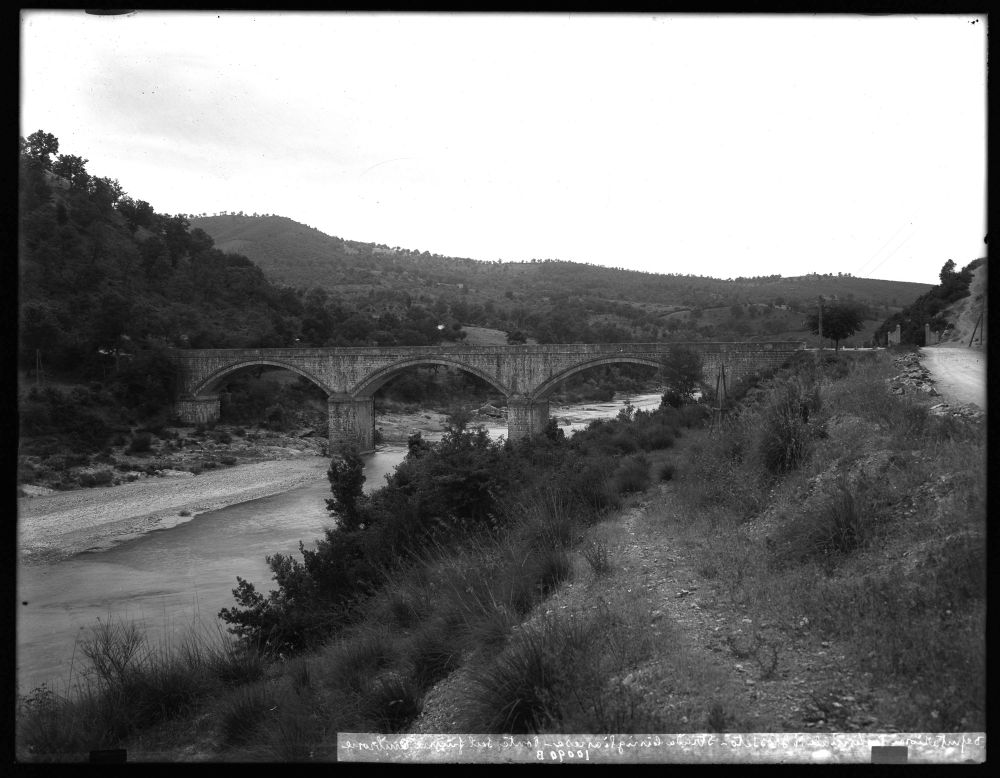
Individual clients could commission anything from a single photograph – in one or more copies – up to hundreds of different shots. Among the names that appear most frequently in the records are figures such as Stefano Bardini, the company Richard-Ginori and the Terme di Montecatini.
Given the geographical distance of some photographic assignments from the company’s Florentine headquarters, commissioning Fratelli Alinari was clearly a prestigious choice, motivated by representational purposes such as participation in national and international exhibitions or the production of commemorative albums.
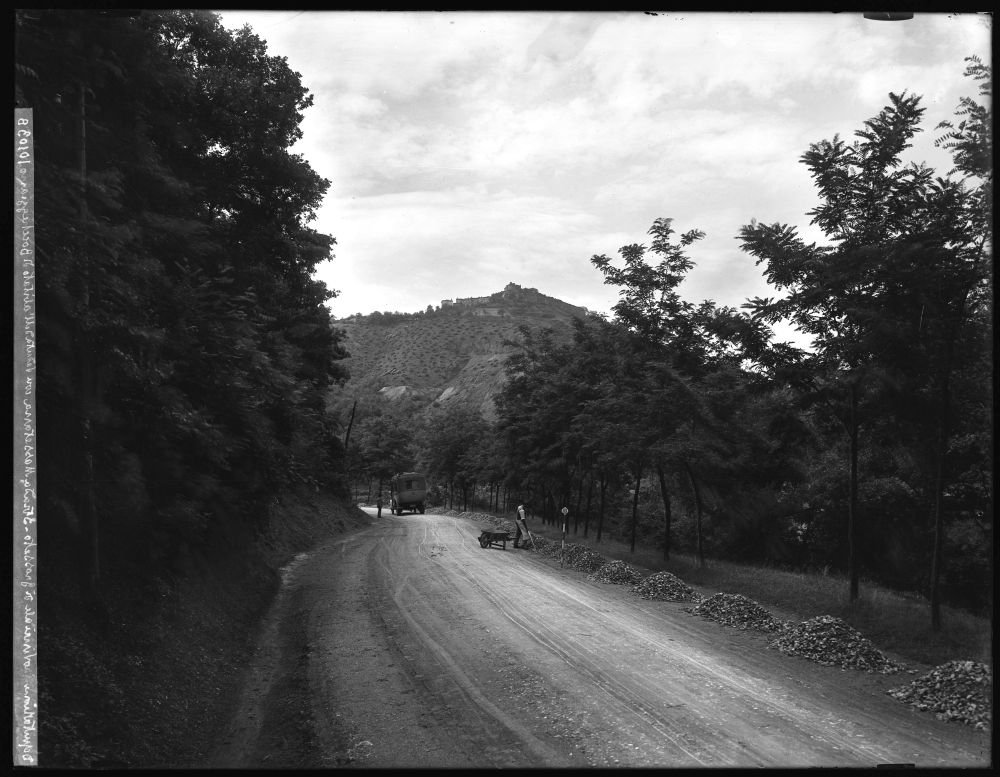
Understanding the purpose of commissions is essential to grasping the context and the narrative framework surrounding a photographic campaign. One example is the series of photographs from 1926 dedicated to the rural Maremma area, commissioned by the Provincial Council of Grosseto: photographs of roads, road maintenance workers’ cottages, bus services and other infrastructure projects were taken in preparation for the Province’s participation in the International Road Exhibition, held in Milan in September of that same year. Regardless of the historical and landscape value of this campaign, a very specific practical need emerges: to showcase the results of the 65 million lire invested in the road network. All this in one of the provinces which, according to a 1916 report, ranked nationally just behind Cosenza and Potenza in terms of kilometres of roads.
Photography thus proved to be a fundamental tool for documenting and representing the infrastructural, social and territorial transformations taking place.
How the photographs were circulated
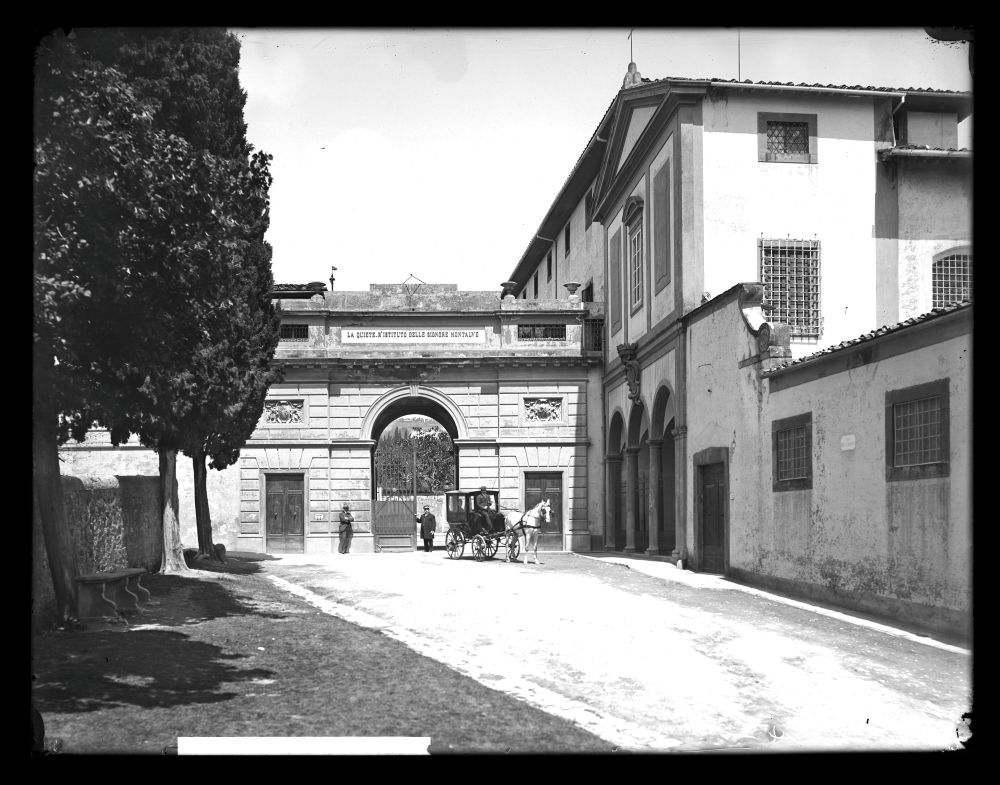
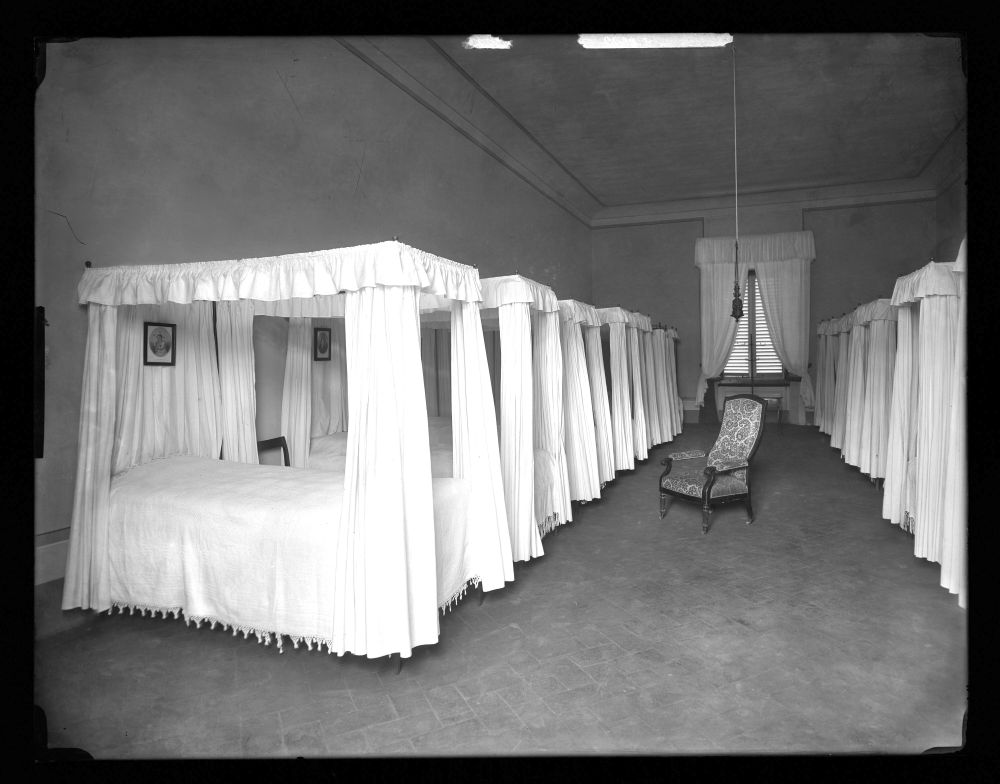
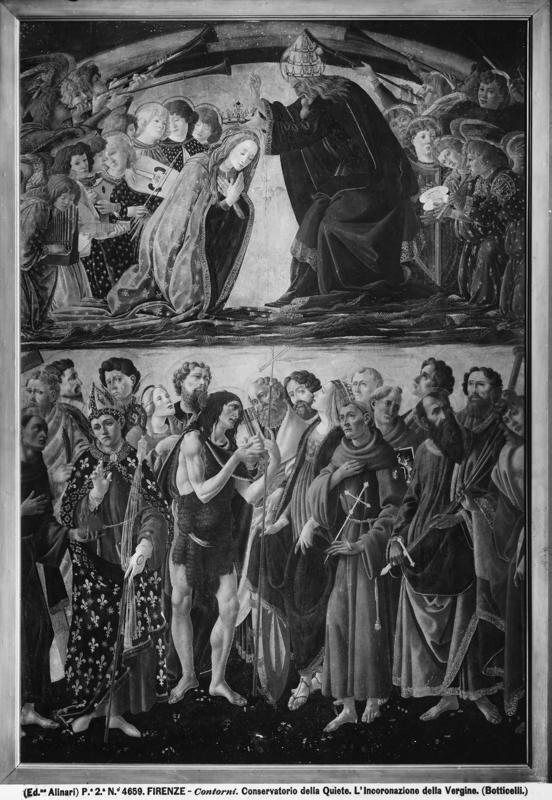
Although the records are fairly comprehensive regarding the number of copies requested and the format, there is no indication of how these photographs might have been assembled to create, for example, albums. However, by consulting the material held in the archives of some of the commissioning institutions, it has been possible to reconstruct the narrative context of their production.
An interesting example in this regard is an album held at the historical archive of Villa La Quiete: a large-format publication comprising 34 photographs with handwritten captions. Produced in 1906, the album was commissioned by the Istituto delle Signore Montalve as a memento to be purchased by former pupils and visitors who had attended the prestigious Florentine school in their time. In the construction of the narrative project, it is interesting to note the presence of photographs taken specifically for this type of publication alongside those intended for Alinari catalogues, such as Sandro Botticelli’s The Coronation of the Virgin or the glazed terracotta works of the Robbia school.
However, as already mentioned, the album was merely one of the ways in which images were circulated, alongside exhibitions and other publications such as catalogues or magazines.
Share
Research project Study and promotion of the Alinari historical glass plate collection and comparison with the inventory records
part of
 Dicolab. Cultura al digitale is sponsored by the Italian Ministry of Culture – Digital Library
as part of the PNRR Cultura 4.0 programme; it is organised by the Scuola nazionale del patrimonio
e delle attività culturali and funded by the European Union – Next Generation EU.
Dicolab. Cultura al digitale is sponsored by the Italian Ministry of Culture – Digital Library
as part of the PNRR Cultura 4.0 programme; it is organised by the Scuola nazionale del patrimonio
e delle attività culturali and funded by the European Union – Next Generation EU.
Project details
Launch of research projects within the digitisation initiatives
of the PNRR investment ‘Digital Strategies and Platforms for
Cultural Heritage’ Mission 1 – Component 3 – Measure 1 –
Investment 1.1 – Sub-investment 1.1.6 ‘Training and Development
of Digital Skills’
Host institution Fondazione Alinari per la Fotografia
Tutor Francesca Bongioanni
University - Department Università di Pisa – Dipartimento Civiltà e Forme del Sapere
University professor Prof. Cosimo Chiarelli
Scholarship holder Pamela Krzemien
The plates and registers have been digitised as part of a project promoted by the Region of Tuscany, within the National Plan for the Digitisation of Cultural Heritage, made possible thanks to funding from the National Recovery and Resilience Plan (PNRR) Mission 1 – Digitalisation, innovation, competitiveness and culture, Component 3 – Tourism and Culture 4.0 (M1C3) – Measure 1 “Cultural heritage for the next generation”, Investment 1.1 “Digital strategies and platforms for cultural heritage” Sub-investment 1.1.5 “Digitalisation of cultural heritage”.

 Le attività sono realizzate grazie al contributo concesso dalla

