found 170 results
view0gruppiFAF-GRANDILASTREA photographic heritage of 170 plates made in sizes larger than the standard formats commonly published in the commercial catalogues of ateliers between the nineteenth and twentieth centuries. Photographic objects of considerable dimensions, reaching 114 cm on the long side, the so-called "imperial plates," whose analysis for restoration purposes, including through scientific diagnostic investigations, has revealed distinctive craft techniques such as paper masking, varnishing, and retouching. The market offering of "grandissime" (extra-large) prints already begins with the first general catalogue of 1863 under the direction of Leopoldo Alinari, and intensifies under the direction of Giuseppe, reaching a technical achievement that earned him the gold medal at the 1889 Paris Universal Exposition for the life-size reproduction of some paintings from the Uffizi Gallery. This work continued under the direction of Vittorio from 1890 to 1920. The subjects depicted are mainly masterpieces from the Florentine and Roman galleries, views of Florence, Rome, Venice, and Naples, and subjects whose characteristics suggest they were made on commission. In addition to the plates of the Fratelli Alinari, there are some produced by Anderson and Mannelli. The technical and philological decoding of these "glass giants" is highly complex; research therefore continues in order to deepen the understanding of a unicum among international photographic heritage collections, which is at the same time emblematic of an era.
Digitization work made possible thanks to funding from the PNRR (National Recovery and Resilience Plan) Mission 1 – Digitalization, innovation, competitiveness and culture, Component 3 – Tourism and Culture 4.0 (M1C3), Measure 1 - Cultural heritage for the next generation, Investment 1.1 - Digital strategies and platforms for cultural heritage, Sub-investment 1.1.5 - Digitization of the cultural heritage.
Restoration and cataloguing were carried out thanks to the contribution of the Fondazione CR Firen
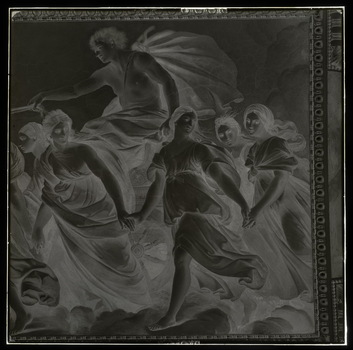
Image IDACA-NXG-00000SN-000-000102
The Aurora, detail, fresco, Guido Reni (1575–1642), Casino del Palazzo Pallavicini-Rospigliosi, Rome
Fotografo: Alinari, Fratelli
Date of photography1892-1899
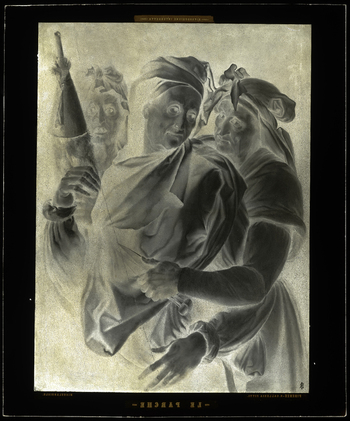
Image IDACA-NXG-00000SN-000-000127
Parche, painting, Francesco de' Rossi detto il Salviati (1510-1563) (formerly Michelangelo Buonarroti), Palatine Gallery, Pitti Palace, Florence
Fotografo: Alinari, Fratelli
Date of photography1880-1890
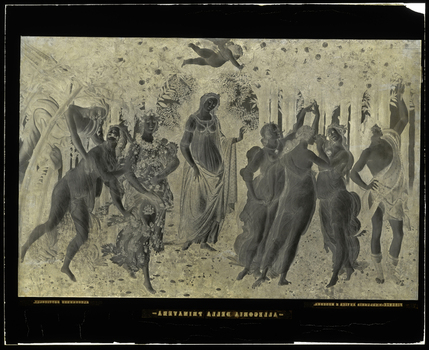
Image IDACA-NXG-00000SN-000-000122
Spring, painting, by Alessandro Filipepi, known as Botticelli (1445–1510), Uffizi Galleries, Florence
Fotografo: Alinari, Fratelli
Date of photography1890-1896
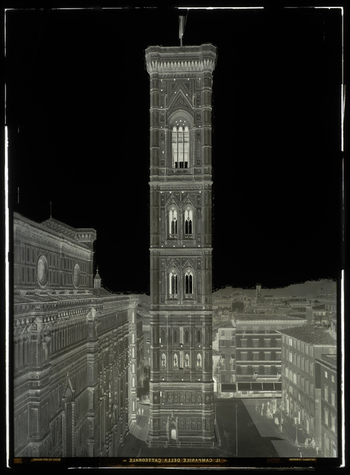
Image IDACA-NXG-00000SN-000-000008
Giotto’s Bell Tower, Cathedral of Santa Maria del Fiore, Florence
Fotografo: Alinari, Fratelli
Date of photography1896-1916

Image IDFBQ-FXG-00000SN-000-000112
Group portrait featuring Queen Margherita of Savoy, dedicated to His Excellency the Marquis of Villamarina
Fotografo: Stabilimento Fotografico Francesco Pesce
Date of photography1890
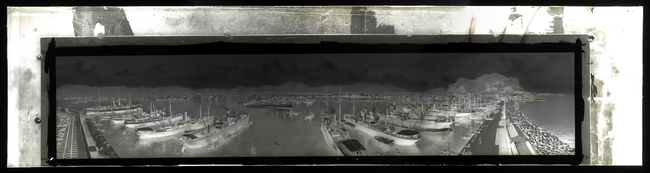
Image IDFBQ-NXG-00000SN-000-000111
A view of the port of Palermo with Mount Pellegrino
Fotografo: Unidentified Author
Date of photography1900
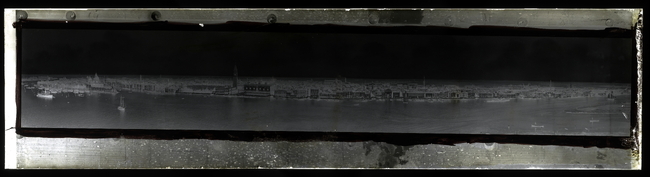
Image IDFBQ-NXG-00000SN-000-000110
A view of the Venice lagoon towards St Mark’s Square
Fotografo: Unidentified Author
Date of photography1900
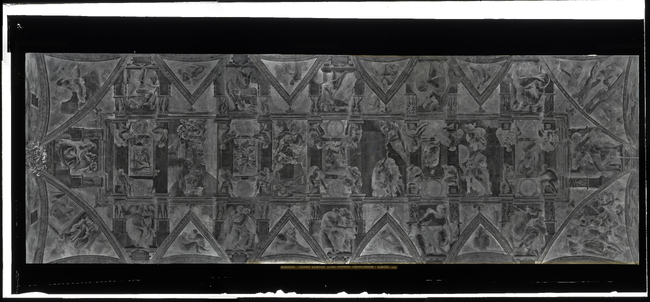
Image IDADA-NXG-00000SN-000-000115
The ceiling of the Sistine Chapel, fresco by Michelangelo Buonarroti (1475–1564), Vatican Museums, Vatican City
Fotografo: Anderson, Domenico
Date of photography1882-1890
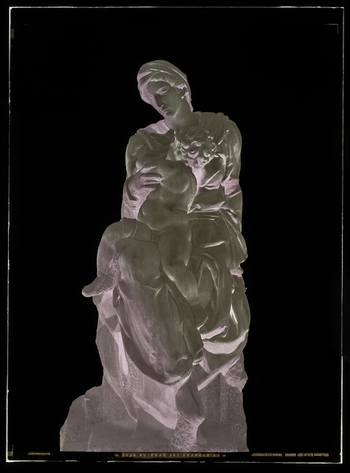
Image IDACA-NXG-0002258-000-000113
Madonna and Child, sculpture, Michelangelo Buonarroti (1475-1564), New Sacristy, Medici Chapels, Church of San Lorenzo, Florence
Fotografo: Alinari, Fratelli
Date of photography1876
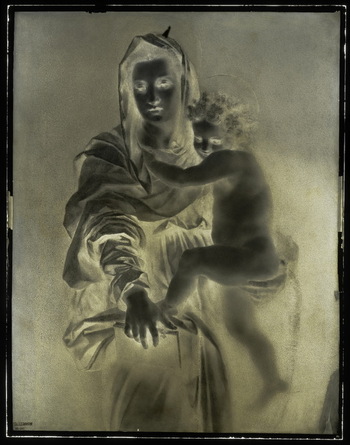
Image IDMAA-NXG-00000SN-000-000121
Madonna and Child, detail from the Madonna delle Arpie, painting by Andrea d'Agnolo, known as del Sarto (1486–1530), Uffizi Galleries, Florence
Fotografo: Mannelli, Anchise & C.
Date of photography1902-1925
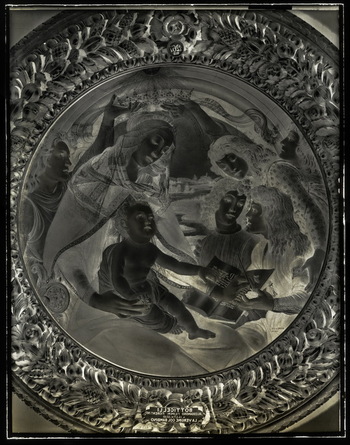
Image IDMAA-NXG-00000SN-000-000120
Madonna of the Magnificat, painting, Alessandro Filipepi, known as Botticelli (1445–1510), Uffizi Galleries, Florence
Fotografo: Mannelli, Anchise & C.
Date of photography1902-1925
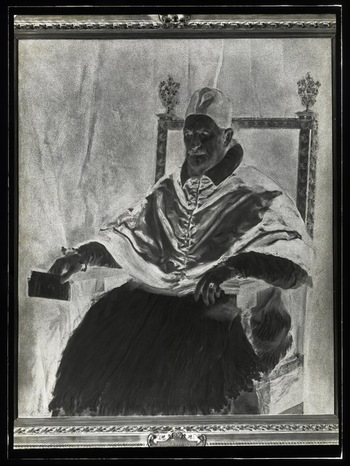
Image IDACA-NXG-0029783-000-000145
Portrait of Pope Innocent X, painting by Diego Rodriguez de Silva y Velázquez (1599–1660), Doria Pamphilj Gallery, Rome
Fotografo: Alinari, Fratelli
Date of photography1899-1912
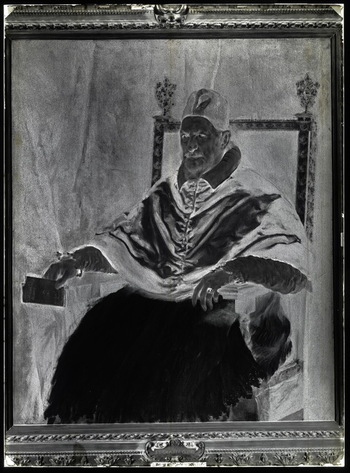
Image IDACA-NXG-0029723-000-000155
Portrait of Pope Innocent X, painting by Diego Rodriguez de Silva y Velázquez (1599–1660), Doria Pamphilj Gallery, Rome
Fotografo: Alinari, Fratelli
Date of photography1899-1912
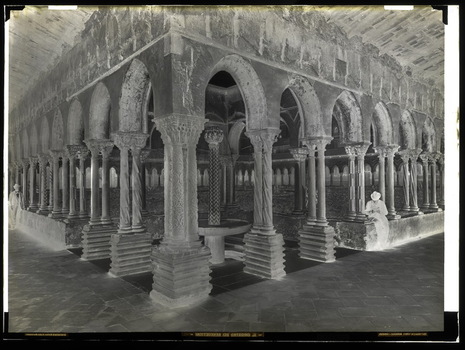
Image IDACA-NXG-0019647-000-000061
View of the Benedictine Cloister from the corner by the fountain, Monreale Cathedral, Palermo
Fotografo: Alinari, Fratelli
Date of photography1887-1898
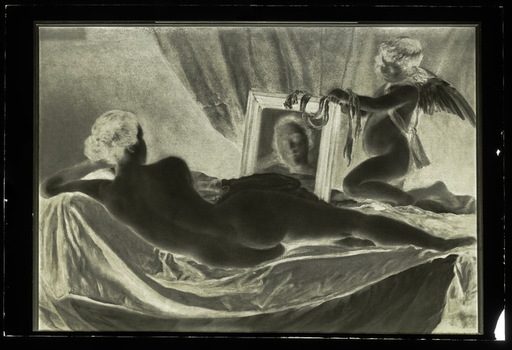
Image IDACA-NXG-0018911-000-000058
Venus Rokeby or Venus at Her Mirror, painting, Diego Velázquez (1599–1660), National Gallery, London
Fotografo: Alinari, Fratelli
Date of photography1900
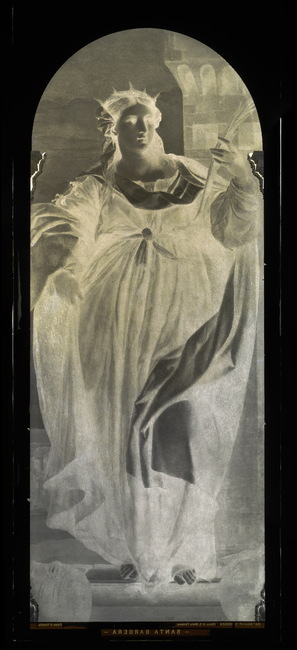
Image IDACA-NXG-0013231-000-000012
Saint Barbara, painting, Jacopo Negretti, known as Palma il Vecchio (c. 1475–1528), Church of Santa Maria Formosa, Venice
Fotografo: Alinari, Fratelli
Date of photography1897
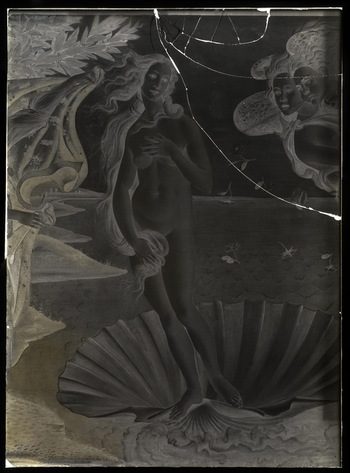
Image IDACA-NXG-0000594-000-000108
The Birth of Venus, detail, painting, Alessandro Filipepi, known as Botticelli (1445–1510), Uffizi Galleries, Florence
Fotografo: Alinari, Fratelli
Date of photography1891
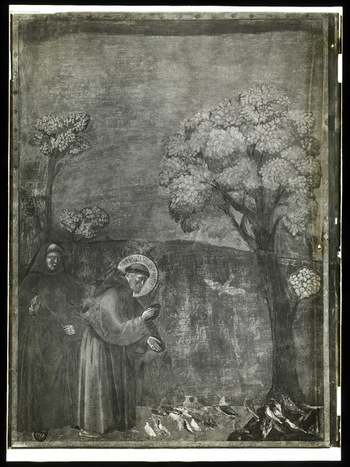
Image IDACA-FXG-0009269-000-000070
St Francis Preaching to the Birds, a scene from the series of paintings depicting the Life of St Francis, fresco by Giotto di Bondone (1267–1337), Upper Basilica of St Francis, Assisi
Fotografo: Alinari, Fratelli
Date of photography1887
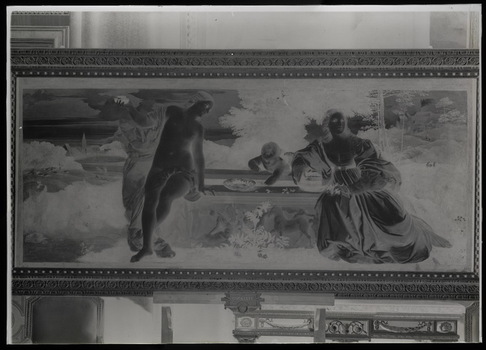
Image IDACA-NXG-0008035D-000-000170
Sacred Love and Profane Love, painting, Titian (c. 1488–1576), Galleria Borghese, Rome
Fotografo: Alinari, Fratelli
Date of photography1912
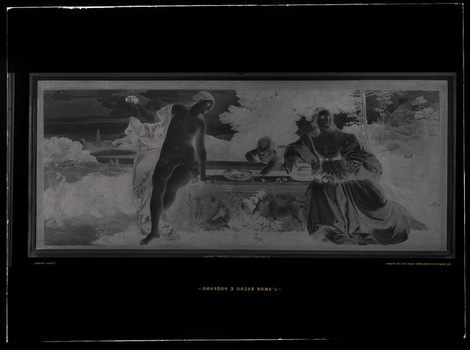
Image IDACA-NXG-0008035-000-000041
Sacred Love and Profane Love, painting, Titian (c. 1488–1576), Galleria Borghese, Rome
Fotografo: Alinari, Fratelli
Date of photography1890-1892
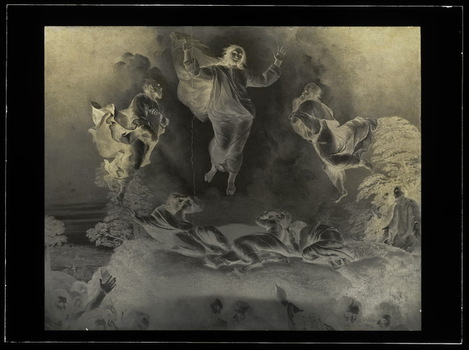
Image IDACA-NXG-0007711-000-000158
The Transfiguration, detail of the figure of Christ, painting by Raphael Sanzio (1483–1520), Vatican Art Gallery, Vatican Museums, Vatican City
Fotografo: Alinari, Fratelli
Date of photography1892
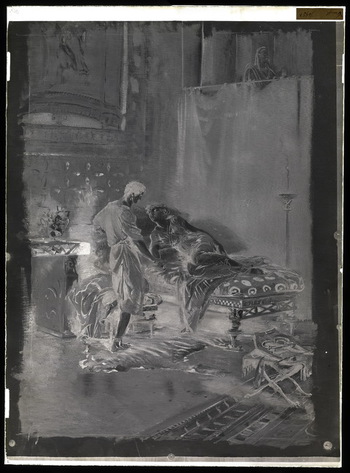
Image IDACA-NXG-0007695B-000-000009
Imogene and Iachimo, from William Shakespeare’s "Cymbeline" (?), painting
Fotografo: Alinari, Fratelli
Date of photography1900-1920
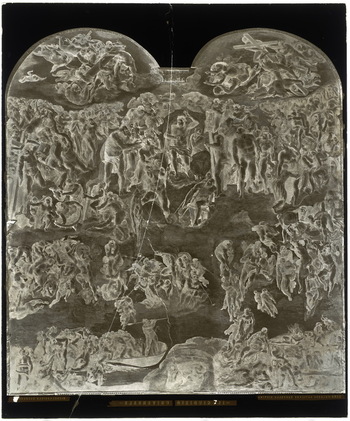
Image IDACA-NXG-0007576-000-000118
The Last Judgement, fresco, Michelangelo Buonarroti (1475–1564), Sistine Chapel, Vatican Museums, Vatican City
Fotografo: Alinari, Fratelli
Date of photography1878-1881
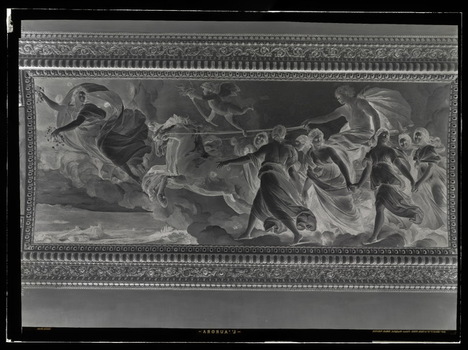
Image IDACA-NXG-0007479-000-000025
The Dawn, fresco, Guido Reni (1575–1642), Casino del Palazzo Pallavicini-Rospigliosi, Rome
Fotografo: Alinari, Fratelli
Date of photography1892-1899
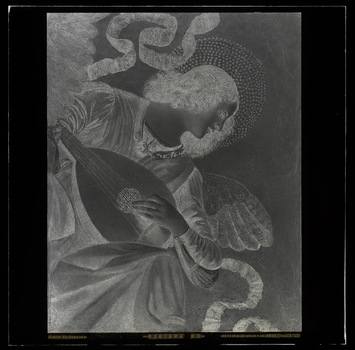
Image IDACA-NXG-0007161-000-000091
Angel playing the lute, detail from The Ascension of Christ, fresco, Melozzo degli Ambrosi, known as Melozzo da Forlì (1438–1494), Vatican Art Gallery (formerly in the Church of the Holy Apostles), Vatican City
Fotografo: Alinari, Fratelli
Date of photography1890/01-1893
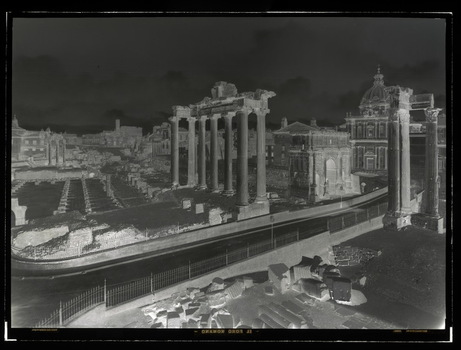
Image IDACA-NXG-0006247-000-000026
View of the Roman Forum from the Capitoline Hill, Rome
Fotografo: Alinari, Fratelli
Date of photography1888-1900
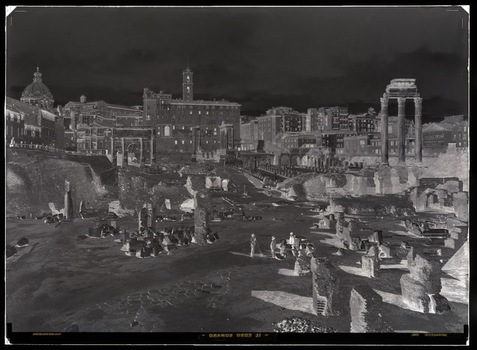
Image IDACA-NXG-0006244-000-000022
View of the Roman Forum from the Arch of Titus, Rome
Fotografo: Alinari, Fratelli
Date of photography1892
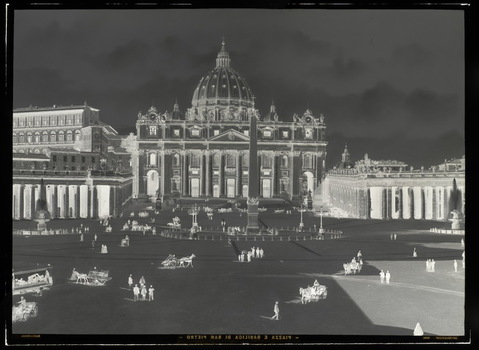
Image IDACA-NXG-0005898-000-000042
View of St Peter's Square, Rome
Fotografo: Alinari, Fratelli
Date of photography1890-1899
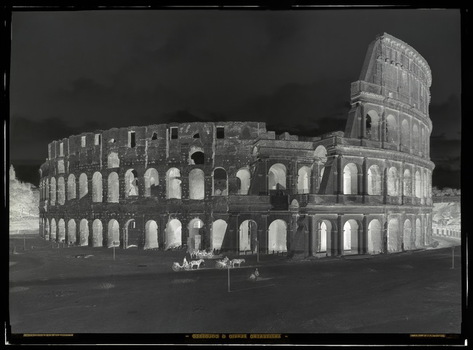
Image IDACA-NXG-0005819-000-000024
View of the Colosseum, Rome
Fotografo: Alinari, Fratelli
Date of photography1888-1912
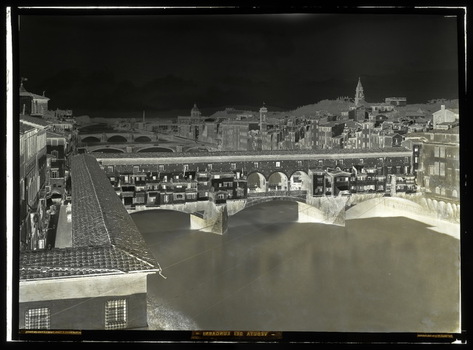
Image IDACA-NXG-0003118-000-000028
A view of the banks of the Arno, featuring the Ponte Vecchio, the Ponte Santa Trinita, the Ponte alla Carraia and the Ponte di Ferro alle Cascine
Editore: Alinari, Fratelli
Date of photography1890-1896
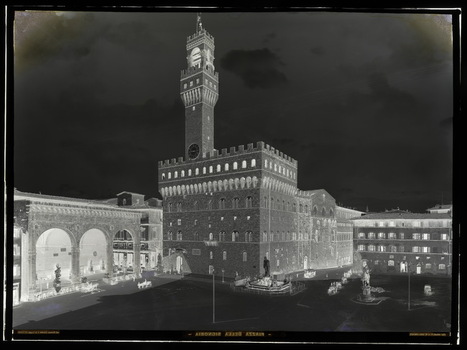
Image IDACA-NXG-0003097-000-000029
View of Piazza della Signoria, Florence
Fotografo: Alinari, Fratelli
Date of photography1890-1896
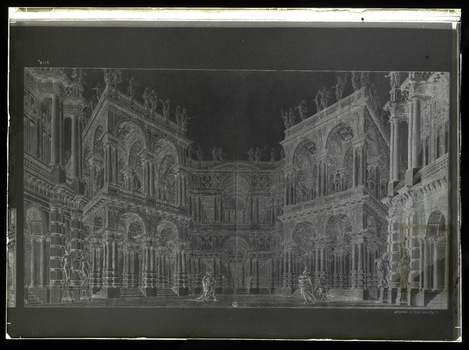
Image IDACA-NXG-002213B-000-000071
A picturesque view of various buildings with loggias and terraces, disegno, Giovanni Maria Galli da Bibbiena (1619–1665), Department of Prints and Drawings, Uffizi Galleries, Florence
Fotografo: Alinari, Fratelli
Date of photography1890
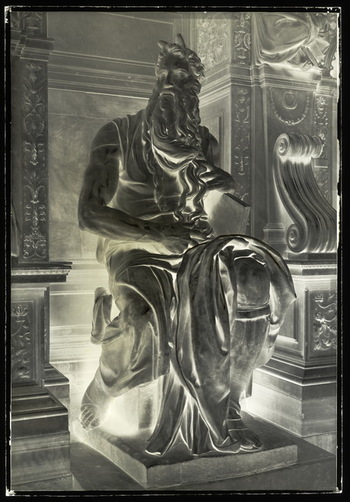
Image IDACA-NXG-0001954-000-000051
Moses, detail, Tomb of Julius II, marble, Michelangelo Buonarroti (1475–1564), Basilica of San Pietro in Vincoli, Rome
Fotografo: Anderson, Domenico, attributed
Date of photography1876
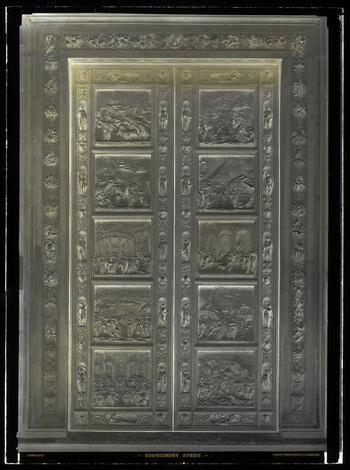
Image IDACA-NXG-0001858-000-000023
Gates of Paradise, Lorenzo Ghiberti (1381–1455), Museo dell'Opera del Duomo (formerly the Baptistery of St John), Florence
Fotografo: Alinari, Fratelli
Date of photography1890
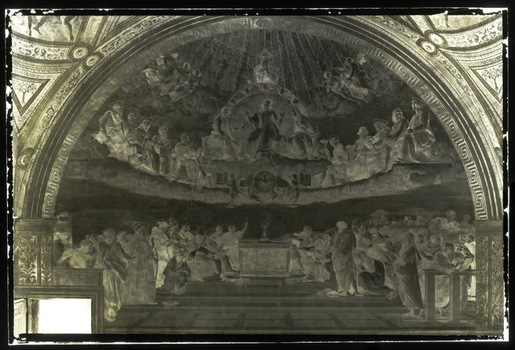
Image IDACA-NXG-0001116-000-000050
The Dispute over the Sacrament, fresco, Raphael Sanzio (1483–1520), Stanza della Segnatura, Vatican Museums, Vatican City
Fotografo: Anderson, Domenico, attributed
Date of photography1883-1891
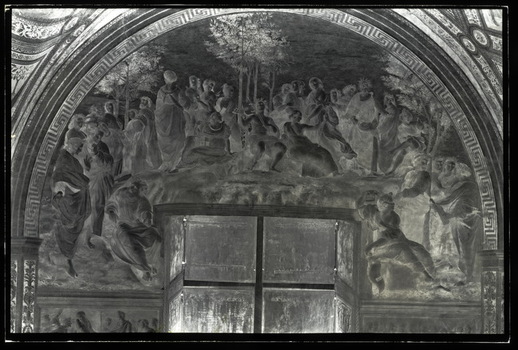
Image IDACA-NXG-0001111-000-000059
The Parnassus, fresco, Raphael Sanzio (1483–1520), Stanza della Segnatura, Vatican Museums, Vatican City
Fotografo: Anderson, Domenico, attributed
Date of photography1883-1891
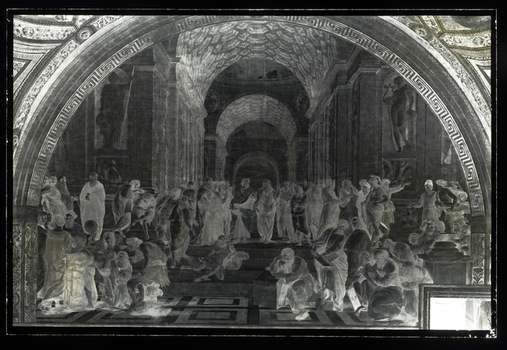
Image IDACA-NXG-0001095-000-000052
The School of Athens, fresco, Raphael Sanzio (1483–1520), Stanza della Segnatura, Vatican Museums, Vatican City
Fotografo: Anderson, Domenico, attributed
Date of photography1883-1891
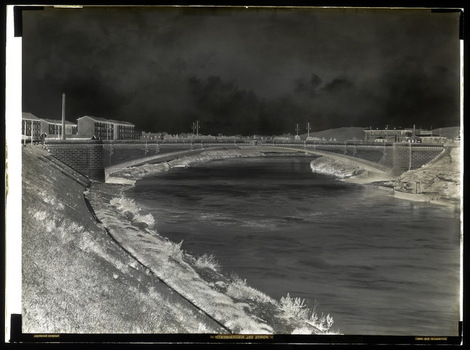
Image IDACA-NXG-0030152-000-000064
Risorgimento Bridge, Rome
Fotografo: Alinari, Fratelli
Date of photography1911-1922
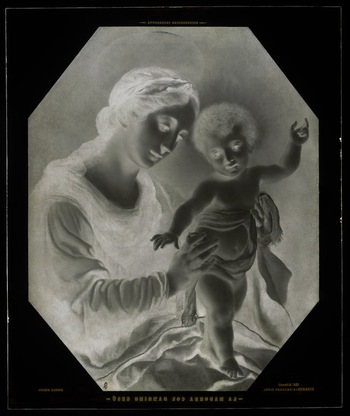
Image IDACA-NXG-00000SN-000-000126
Madonna and Child, known as the Madonna of the Fabrics, painting, Carlo Dolci (1616–1687). Palatine Gallery, Palazzo Pitti, Florence
Fotografo: Alinari, Fratelli
Date of photography1880-1890
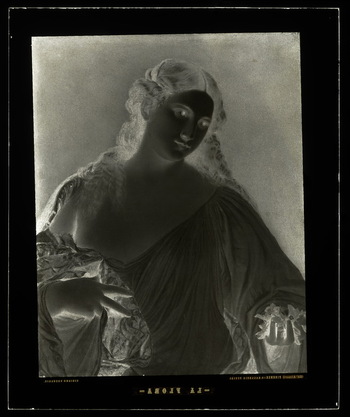
Image IDACA-NXG-00000SN-000-000125
La Flora, painting, Titian (c. 1488–1576), Uffizi Galleries, Florence
Fotografo: Alinari, Fratelli
Date of photography1870-1880
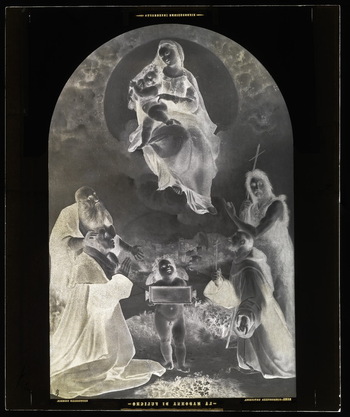
Image IDACA-NXG-00000SN-000-000124
Madonna of Foligno, painting, Raphael Sanzio (1483–1520), Vatican Art Gallery, Vatican Museums, Vatican City
Fotografo: Alinari, Fratelli
Date of photography1890-1892
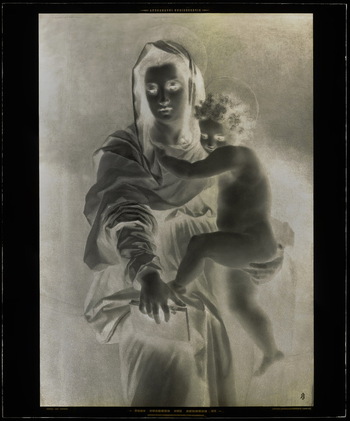
Image IDACA-NXG-00000SN-000-000123
Madonna and Child, detail from the Madonna delle Arpie, painting by Andrea d'Agnolo, known as del Sarto (1486–1530), Uffizi Galleries, Florence
Fotografo: Alinari, Fratelli
Date of photography1880-1890
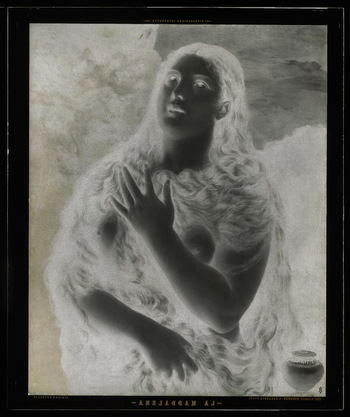
Image IDACA-NXG-00000SN-000-000119
The Magdalene, painting, Titian (c. 1488–1576), Palatine Gallery, Palazzo Pitti, Florence
Fotografo: Alinari, Fratelli
Date of photography1880-1890
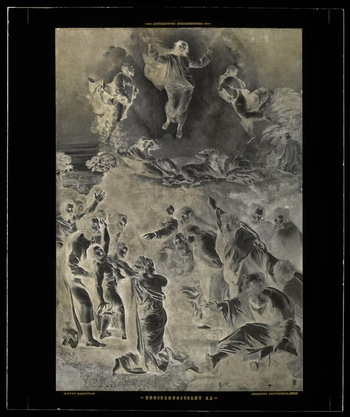
Image IDACA-NXG-00000SN-000-000117
The Transfiguration, painting, Raphael Sanzio (1483–1520), Vatican Art Gallery, Vaticans Museums, Vatican City
Fotografo: Alinari, Fratelli
Date of photography1890-1892
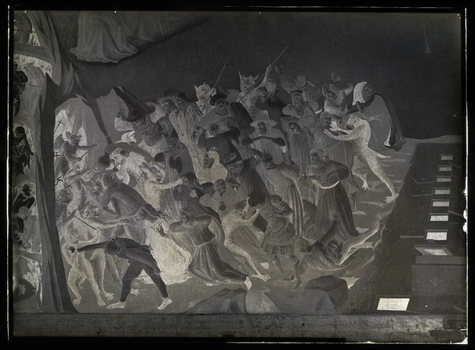
Image IDACA-NXG-00000SN-000-000116
The Last Judgement, detail, painting, Fra Giovanni da Fiesole, known as Beato Angelico (c. 1400–1455), Museo di San Marco, Florence
Fotografo: Alinari, Fratelli
Date of photography1900-1916
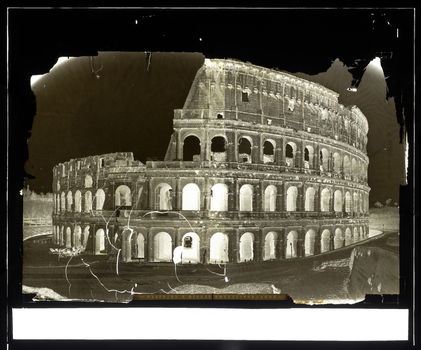
Image IDACA-NXG-00000SN-000-000114
View of the Colosseum, Rome
Editore: Alinari, Fratelli
Date of photography1870-1880
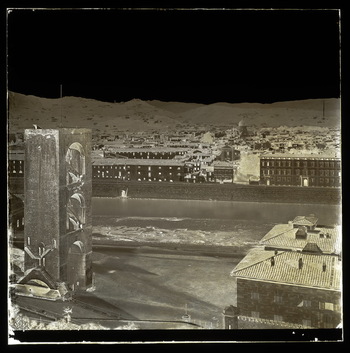
Image IDACA-NXG-00000SN-000-000107
Panorama of the Lungarno della Zecca and the Torre San Niccolò, Florence
Fotografo: Alinari, Fratelli
Date of photography1880-1881
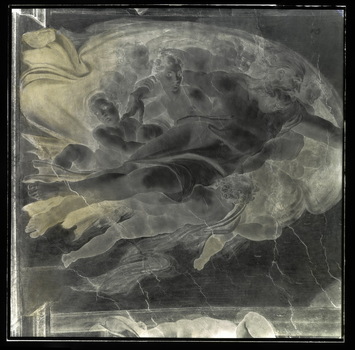
Image IDACA-NXG-00000SN-000-000106
The Creation of Adam, detail, fresco, Michelangelo Buonarroti (1475–1564), Sistine Chapel, Vatican Museums, Vatican City
Fotografo: Alinari, Fratelli
Date of photography1899-1912
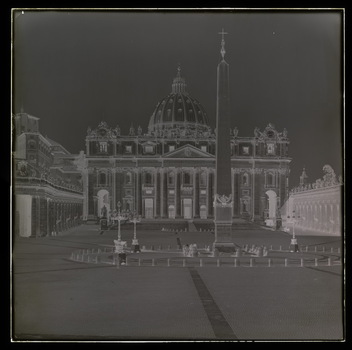
Image IDACA-NXG-00000SN-000-000105
The façade of St Peter’s Basilica, with the Vatican Obelisk in the foreground, Vatican City
Fotografo: Alinari, Fratelli
Date of photography1880-1890
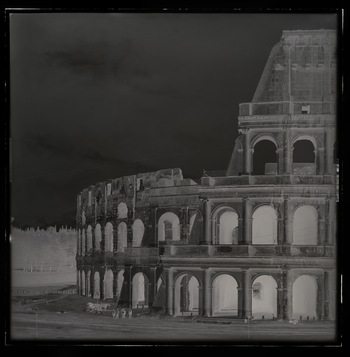
Image IDACA-NXG-00000SN-000-000104
View of the Colosseum, Rome
Fotografo: Alinari, Fratelli
Date of photography1888-1912
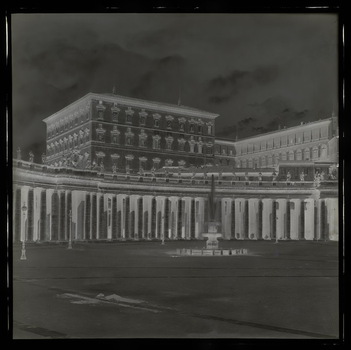
Image IDACA-NXG-00000SN-000-000103
View of the colonnade of St Peter’s Basilica, Vatican City
Fotografo: Alinari, Fratelli
Date of photography1880-1890
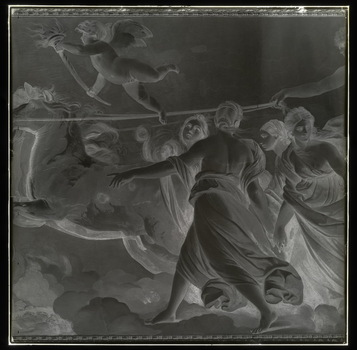
Image IDACA-NXG-00000SN-000-000101
The Aurora, detail, fresco, Guido Reni (1575–1642), Casino del Palazzo Pallavicini-Rospigliosi, Rome
Fotografo: Alinari, Fratelli
Date of photography1892-1899
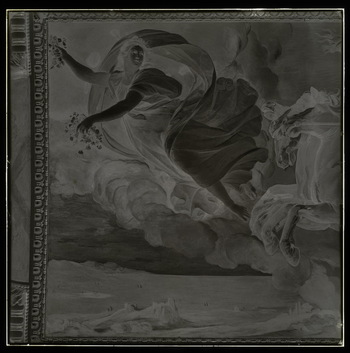
Image IDACA-NXG-00000SN-000-000100
The Aurora, detail, fresco, Guido Reni (1575–1642), Casino del Palazzo Pallavicini-Rospigliosi, Rome
Fotografo: Alinari, Fratelli
Date of photography1892-1899
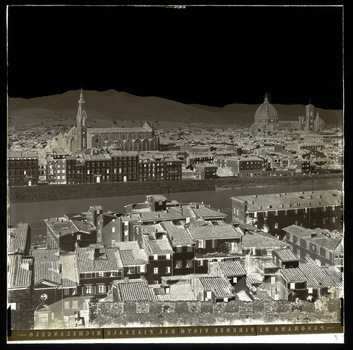
Image IDACA-NXG-00000SN-000-000096
A view of Florence from Piazzale Michelangelo
Fotografo: Alinari, Fratelli
Date of photography1880-1881
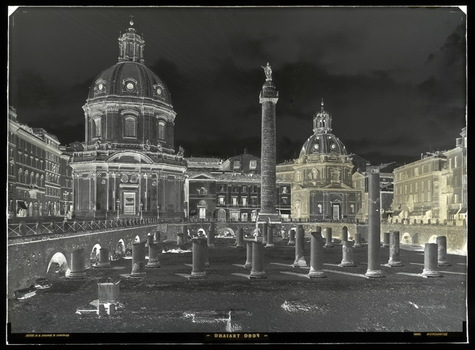
Image IDACA-NXG-00000SN-000-000095
A view of the Forum of Trajan in Rome, featuring the Column of Trajan and, in the background, the churches of the Most Holy Name of Mary and St Mary of Loreto
Fotografo: Alinari, Fratelli
Date of photography1892-1899
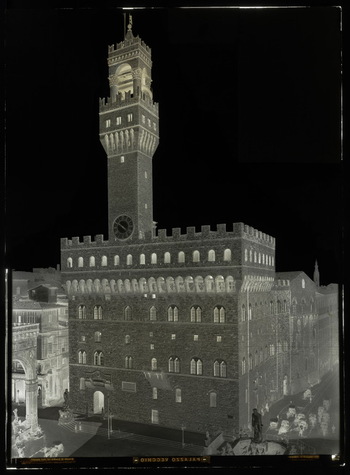
Image IDACA-NXG-00000SN-000-000094
View of Palazzo Vecchio, Piazza della Signoria, Florence
Fotografo: Alinari, Fratelli
Date of photography1890-1896
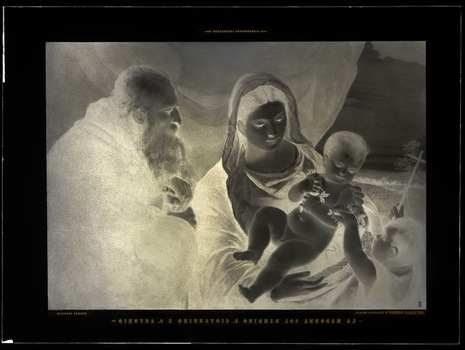
Image IDACA-NXG-0001070-000-000156
Madonna and Child with the Infant Saint John and Saint Anthony the Abbot, known as Our Lady of the Roses, oil on canvas, Titian (1488–1576), Uffizi Galleries, Florence
Fotografo: Alinari, Fratelli
Date of photography1880-1890
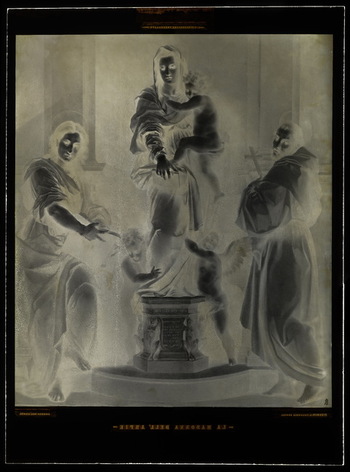
Image IDACA-NXG-0001039-000-000157
Madonna of the Harpies, painting, Andrea d'Agnolo, known as del Sarto (1486–1530), Uffizi Galleries, Florence
Fotografo: Alinari, Fratelli
Date of photography1880-1890
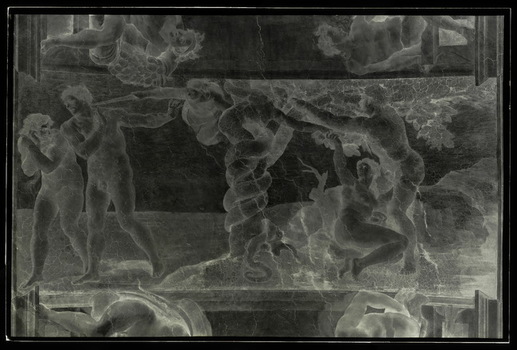
Image IDACA-NXG-0000953-000-000053
The Original Sin and the Expulsion of Adam and Eve from the Garden of Eden, detail from the ceiling of the Sistine Chapel, fresco by Michelangelo Buonarroti (1475–1564), Vatican Museums, Rome
Fotografo: Anderson, Domenico, attributed
Date of photography1882-1890
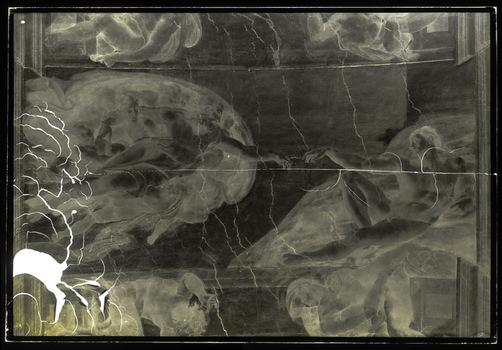
Image IDACA-NXG-0000949-000-000060
The Creation of Adam, fresco, Michelangelo Buonarroti (1475–1564), Sistine Chapel, Vatican Museums, Vatican City
Fotografo: Anderson, Domenico, attributed
Date of photography1882-1890
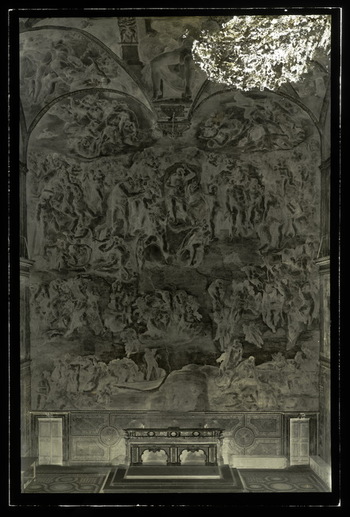
Image IDACA-NXG-0000933-000-000047
The Last Judgement, fresco, Michelangelo Buonarroti (1475–1564), Sistine Chapel, Vatican Museums, Vatican City
Fotografo: Anderson, Domenico, attributed
Date of photography1882-1890
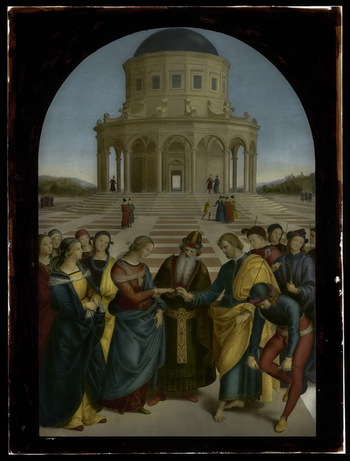
Image IDACA-FXG-0000620B-000-000164
The Marriage of the Virgin, painting, Raphael Sanzio (1483–1520), Pinacoteca di Brera, Milan
Fotografo: Alinari, Fratelli
Date of photography1910-1920
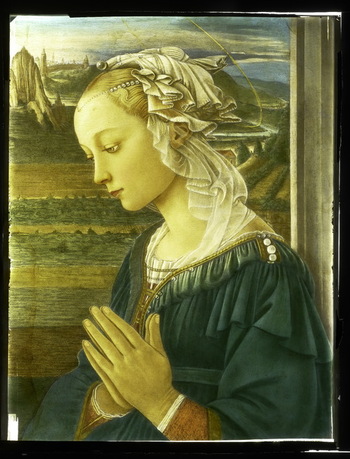
Image IDACA-FXG-0000620A-000-000163
Madonna, detail from Madonna and Child with Angels, painting by Filippo Lippi (1406–1469), Uffizi Galleries, Florence
Fotografo: Alinari, Fratelli
Date of photography1910-1920
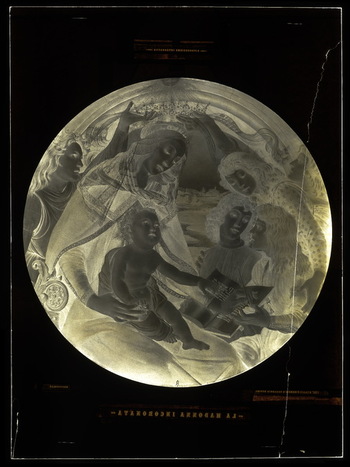
Image IDACA-NXG-0000599-000-000147
Madonna of the Magnificat, painting, Alessandro Filipepi, known as Botticelli (1445–1510), Uffizi Galleries, Florence
Fotografo: Alinari, Fratelli
Date of photography1880-1890
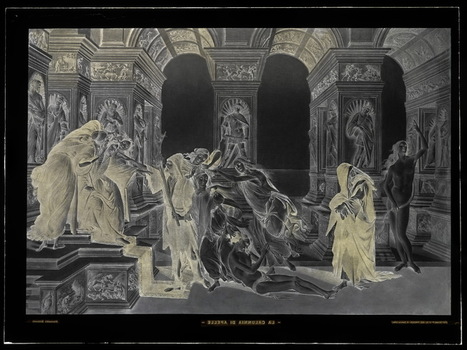
Image IDACA-NXG-0000607-000-000068
The Slander of Apelles, painting, Alessandro Filipepi, known as Sandro Botticelli (1445–1510), Uffizi Galleries, Florence
Fotografo: Alinari, Fratelli
Date of photography1890-1896
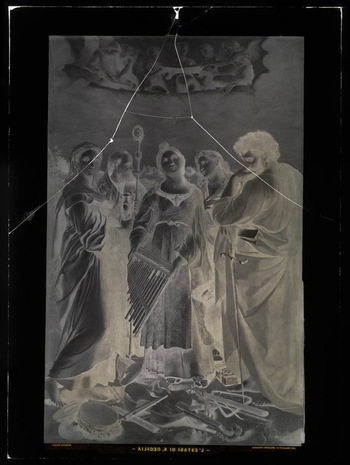
Image IDACA-NXG-0010765-000-000109
The Ecstasy of Saint Cecilia, painting, Raphael Sanzio (1483–1520), National Art Gallery, Bologna
Fotografo: Alinari, Fratelli
Date of photography1890-1900
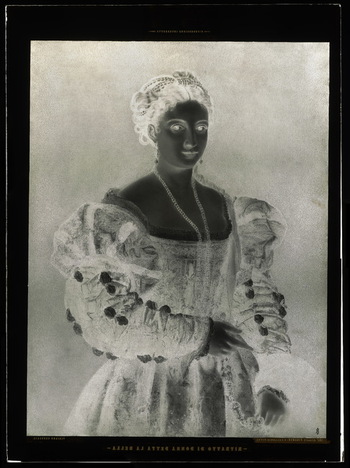
Image IDACA-NXG-0000318-000-000132
La Bella, painting, Titian (c. 1488–1576), Palatine Gallery, Palazzo Pitti, Florence
Fotografo: Alinari, Fratelli
Date of photography1880-1890
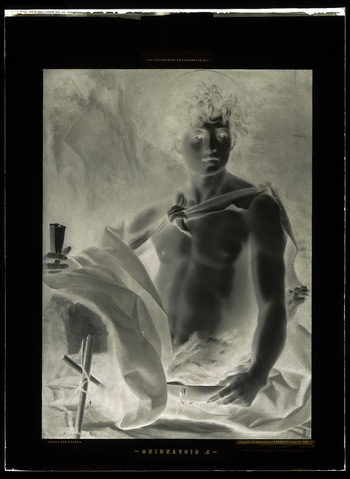
Image IDACA-NXG-0000301-000-000133
Saint John the Baptist, painting, Andrea d'Agnolo, known as Del Sarto (1486–1530), Palatine Gallery, Palazzo Pitti, Florence
Fotografo: Alinari, Fratelli
Date of photography1880-1890
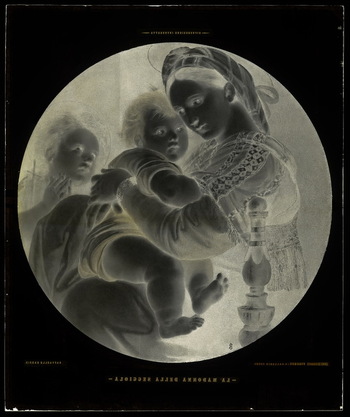
Image IDACA-NXG-0000245-000-000054
Madonna of the Chair, painting, Raphael Sanzio (1483–1520), painting, Palatine Gallery, Pitti Palace, Florence
Fotografo: Alinari, Fratelli
Date of photography1880-1890
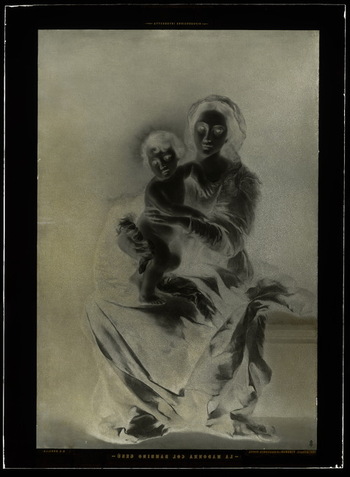
Image IDACA-NXG-0000161-000-000134
Madonna and Child, painting, Bartolomé Esteban Murillo (1618–1682), Palatine Gallery, Palazzo Pitti, Florence
Fotografo: Alinari, Fratelli
Date of photography1880-1890
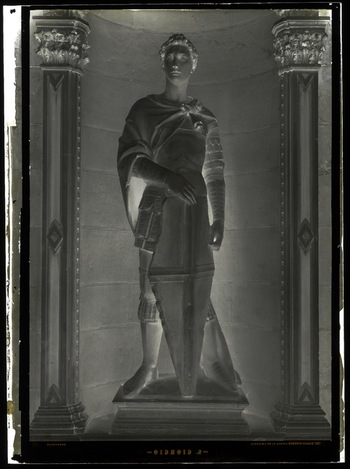
Image IDACA-NXG-0000138-000-000159
Saint George, marble, Donatello, Donato di Niccolò di Betto Bardi known as (1386-1466), External tabernacle of the Guild of Armourers and Swordmakers, Church of Orsanmichele, now the Bargello National Museum, Florence
Fotografo: Alinari, Fratelli
Date of photography1887-1891

Image IDACA-NXG-0000127B-000-000011
A view of the countryside from Baron Ricasoli’s estate
Fotografo: Alinari, Fratelli
Date of photography1880

Image IDACA-NXG-0000126-000-000010
A view of Baron Ricasoli’s estate, featuring Brolio Castle
Fotografo: Alinari, Fratelli
Date of photography1880
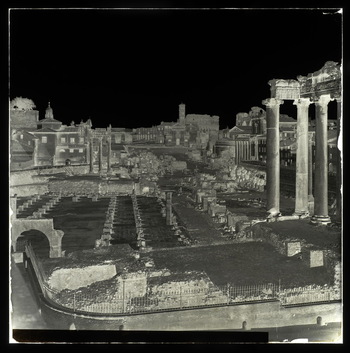
Image IDACA-NXG-0039CSN-000-000099
View of the Roman Forum with the Temple of Saturn, the remains of the Basilica Julia and the Temple of the Dioscuri, Rome
Fotografo: Alinari, Fratelli
Date of photography1888-1900
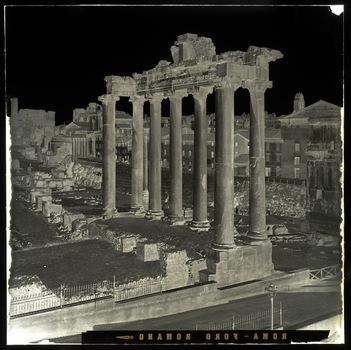
Image IDACA-NXG-0039BSN-000-000098
View of the Roman Forum, with the Temple of Saturn in the foreground, Rome
Fotografo: Alinari, Fratelli
Date of photography1888-1900
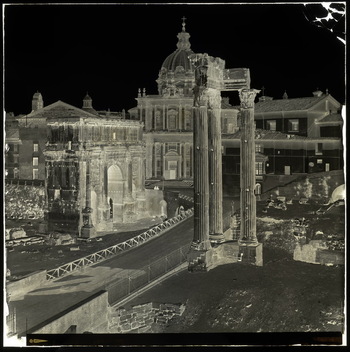
Image IDACA-NXG-0039ASN-000-000097
View of the Roman Forum from the Capitoline Hill; in the foreground are the remains of the Temple of Vespasian, the Arch of Septimius Severus and the Temple of Saturn; in the background is the Church of Saints Luke and Martina, Rome
Fotografo: Alinari, Fratelli
Date of photography1888-1900
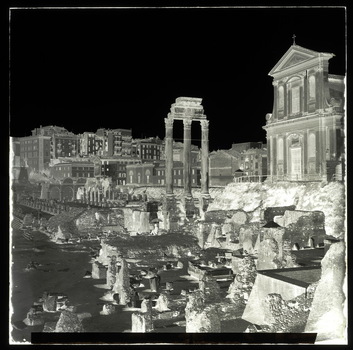
Image IDACA-NXG-0032CSN-000-000038
View of the ruins of the Temple of the Dioscuri, known as the Temple of Castor and Pollux, and the façade of the Church of Santa Maria Liberatrice (demolished in 1900), Roman Forum, Rome
Fotografo: Alinari, Fratelli
Date of photography1888-1900
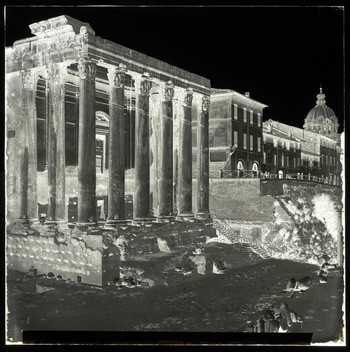
Image IDACA-NXG-0032BSN-000-000037
Temple of Antoninus and Faustina, Roman Forum, Rome
Fotografo: Alinari, Fratelli
Date of photography1888-1900
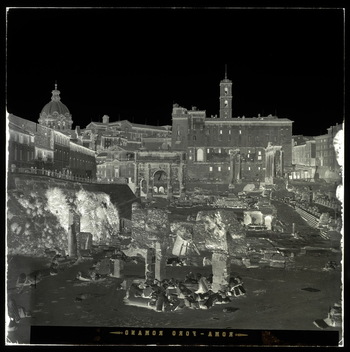
Image IDACA-NXG-0032ASN-000-000036
View of the Roman Forum from the Via Sacra, Rome
Fotografo: Alinari, Fratelli
Date of photography1888-1900
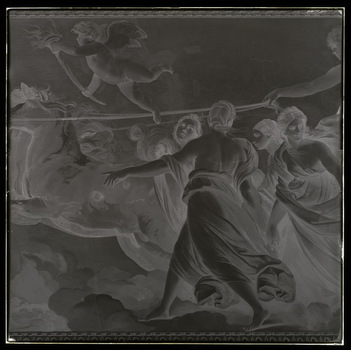
Image IDACA-NXG-0031CSN-000-000035
The Aurora, detail, fresco, Guido Reni (1575–1642), Casino del Palazzo Pallavicini-Rospigliosi, Rome
Fotografo: Alinari, Fratelli
Date of photography1892-1899
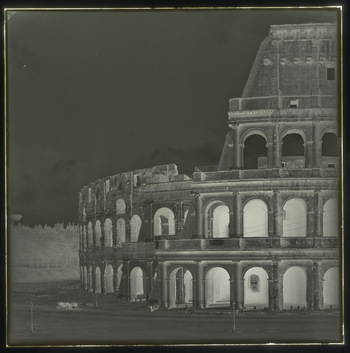
Image IDACA-NXG-0031BSN-000-000034
View of the Colosseum, Rome
Fotografo: Alinari, Fratelli
Date of photography1888-1912
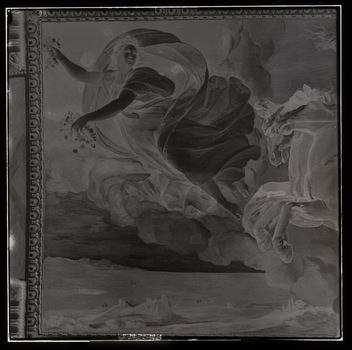
Image IDACA-NXG-0031ASN-000-000033
The Dawn, detail, fresco, Guido Reni (1575–1642), Casino del Palazzo Pallavicini-Rospigliosi, Rome
Fotografo: Alinari, Fratelli
Date of photography1892-1899
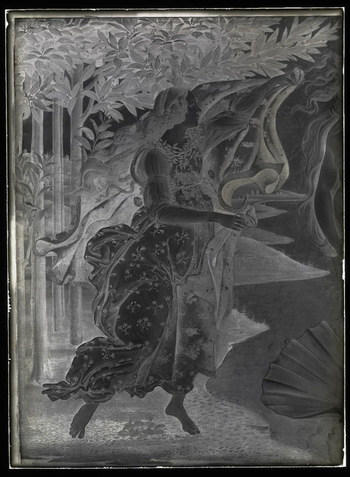
Image IDACA-NXG-0000002-000-000067
The Birth of Venus, detail from The Spring, painting by Alessandro Filipepi, known as Botticelli (1445–1510), Uffizi Galleries, Florence
Fotografo: Alinari, Fratelli
Date of photography1891
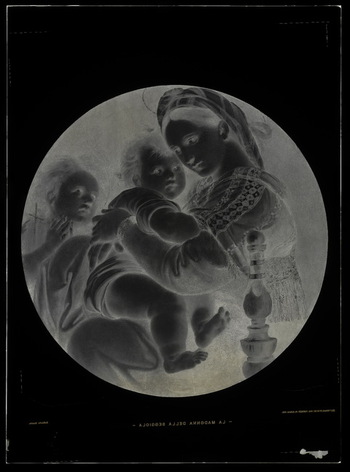
Image IDACA-NXG-00000SN-000-000169
Madonna of the Chair, painting, Raphael Sanzio (1483–1520), painting, Palatine Gallery, Pitti Palace, Florence
Fotografo: Alinari, Fratelli
ND: Serchi, Raffaello
Date of photography1890-1900
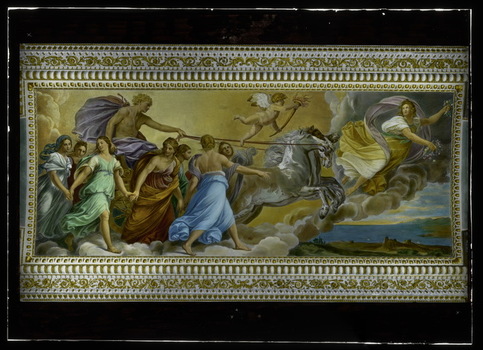
Image IDACA-FXG-00000SN-000-000168
The Dawn, fresco, Guido Reni (1575–1642), Casino del Palazzo Pallavicini-Rospigliosi, Rome
Fotografo: Alinari, Fratelli
Date of photography1910-1920
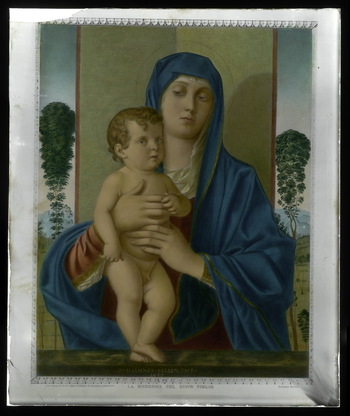
Image IDACA-FXG-00000SN-000-000167
Madonna and Child, known as the ‘Alberetti’ Madonna, painting by Giovanni Bellini (c. 1434–1516), Gallerie dell’Accademia, Venice
Editore:
Date of photography1910-1920
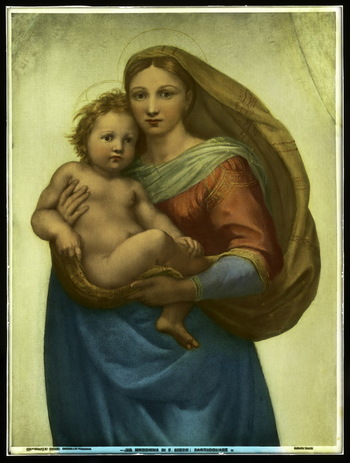
Image IDACA-FXG-00000SN-000-000166
Madonna and Child, detail from the Sistine Madonna, painting, Raphael Sanzio (1483–1520), Gemäldegalerie, Dresden
Fotografo: Alinari, Fratelli
Date of photography1906-1920
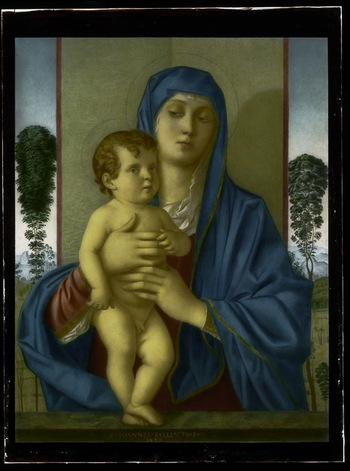
Image IDACA-FXG-00000SN-000-000165
Madonna and Child, known as the ‘Alberetti’ Madonna, painting by Giovanni Bellini (c. 1434–1516), Gallerie dell’Accademia, Venice
Fotografo: Alinari, Fratelli
Date of photography1910-1920
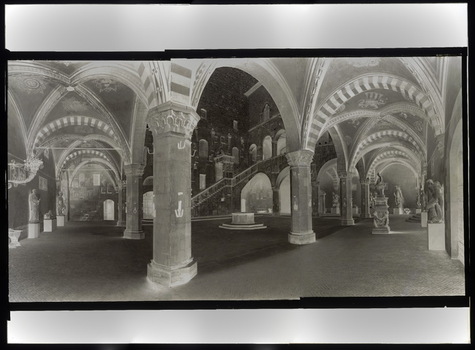
Image IDACA-NXG-00000SN-000-000162
The Bargello Courtyard, Florence
Fotografo: Alinari, Fratelli, (attributed)
Date of photography10-1909/30-12-1916
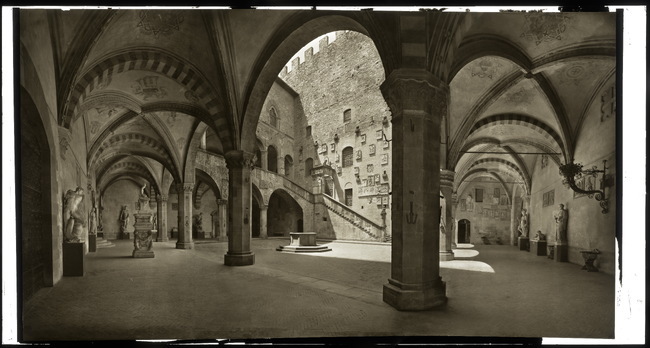
Image IDACA-FXG-00000SN-000-000161
Bargello Courtyard, Florence
Fotografo: Mannelli, Anchise & C.
Date of photography10-1909/30-12-1916
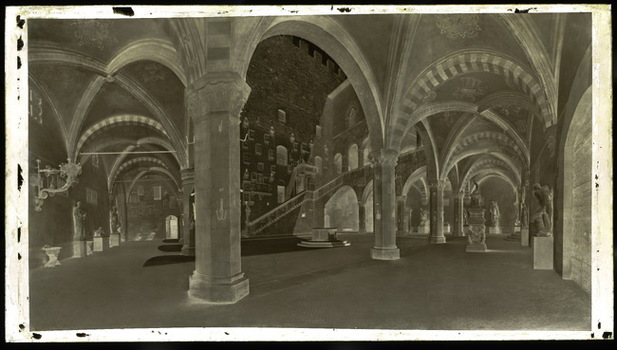
Image IDACA-NXG-00000SN-000-000160
Bargello Courtyard, Florence
Fotografo: Mannelli, Anchise & C.
Date of photography10-1909/30-12-1916
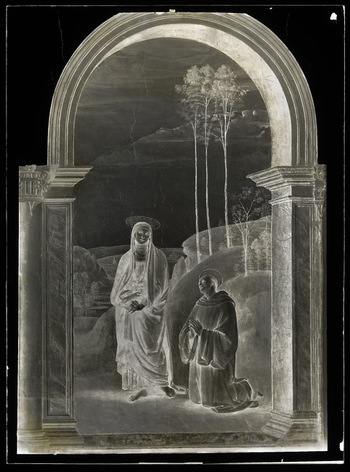
Image IDACA-NXG-00000SN-000-000154
The Virgin and Saint Bernard, detail from The Crucifixion, fresco, by Perugino (Pietro di Cristoforo, known as Vannucci, 1448–1523), Michelangiolo State Classical High School, formerly the Church of Santa Maria Maddalena de' Pazzi, Florence
Fotografo: Alinari, Fratelli
Date of photography1896-1916
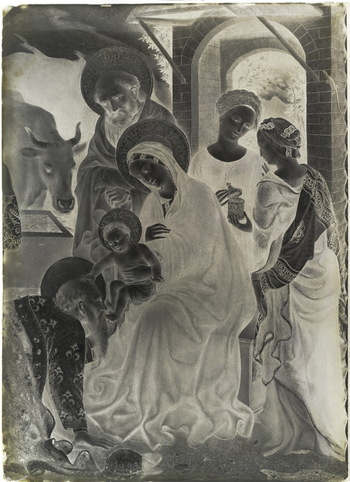
Image IDACA-NXG-00000SN-000-000153
Madonna and Child, detail from The Adoration of the Magi, painting, Gentile da Fabriano (1370–1427), Uffizi Galleries, Florence
Fotografo: Alinari, Fratelli
Date of photography1900
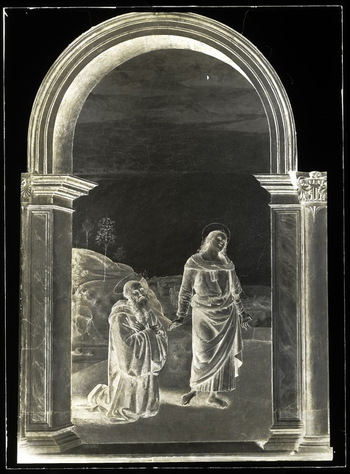
Image IDACA-NXG-00000SN-000-000152
Saint John the Evangelist and Saint Benedict, detail from The Crucifixion, fresco, by Perugino (Pietro di Cristoforo, known as Vannucci, 1448–1523), Michelangiolo State Classical High School, formerly the Church of Santa Maria Maddalena de' Pazzi, Florence
Fotografo: Alinari, Fratelli
Date of photography1896-1916
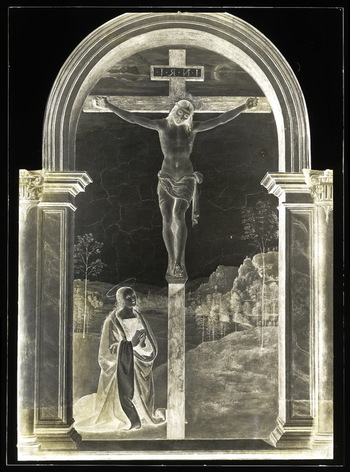
Image IDACA-NXG-00000SN-000-000151
The Crucifixion, Christ on the Cross and Mary Magdalene, fresco, Perugino, Pietro di Cristoforo Vannucci (c. 1448–1523), Michelangiolo State Classical High School, formerly the Church of Santa Maria Maddalena de' Pazzi, Florence
Fotografo: Alinari, Fratelli
Date of photography1896-1916
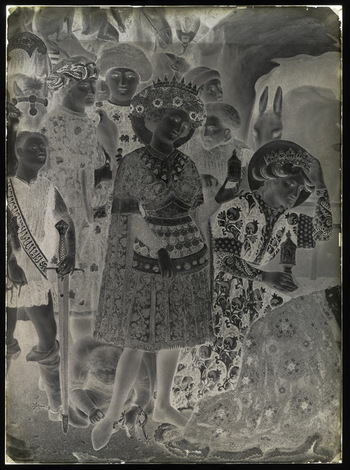
Image IDACA-NXG-00000SN-000-000150
The Magi, detail from The Adoration of the Magi, fresco, Gentile da Fabriano (1370–1427), Uffizi Galleries, Florence
Fotografo: Alinari, Fratelli
Date of photography1900
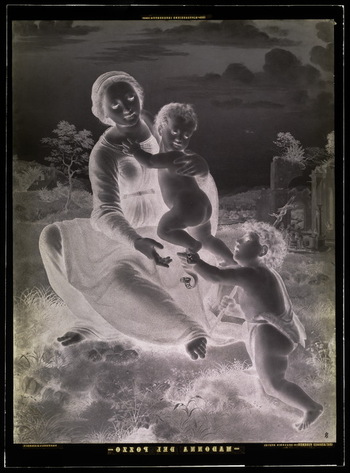
Image IDACA-NXG-00000SN-000-000149
Madonna and Child with the Young Saint John, known as the ‘del Pozzo’, painting by Francesco di Cristoforo, known as Franciabigio (1484–1525) (formerly Raffaello Sanzio), Uffizi Galleries, Florence
Fotografo: Alinari, Fratelli
Date of photography1880-1890
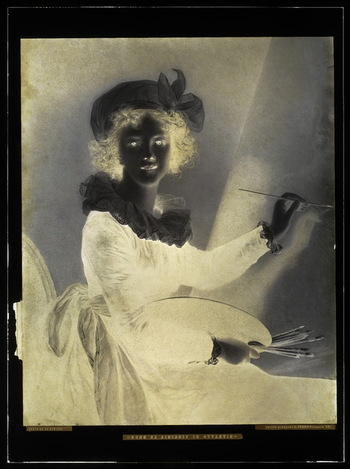
Image IDACA-NXG-00000SN-000-000148
Self-portrait, painting, Elisabeth Louise Vigée Le Brun (1755–1842), Uffizi Galleries, Florence
Fotografo: Alinari, Fratelli
Date of photography1880-1890
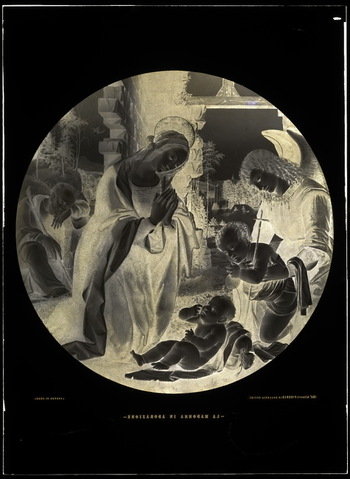
Image IDACA-NXG-00000SN-000-000146
Madonna Adoring the Child with the Infant Saint John, Saint Joseph and an Angel, painting, Lorenzo di Credi (c. 1460–1537), Museo Horne (formerly the Uffizi Gallery), Florence
Fotografo: Alinari, Fratelli
Date of photography1880-1890
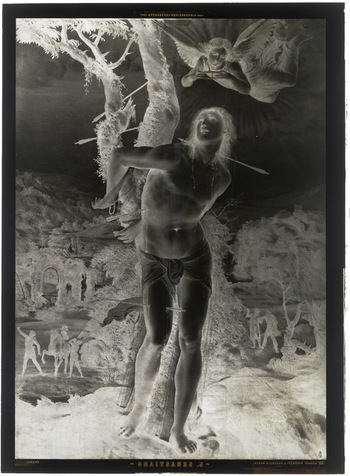
Image IDACA-NXG-00000SN-000-000144
Saint Sebastian, painting, Giovanni Antonio Bazzi, known as Sodoma (1477–1549), Uffizi Galleries, Florence
Fotografo: Alinari, Fratelli
Date of photography1890-1899


